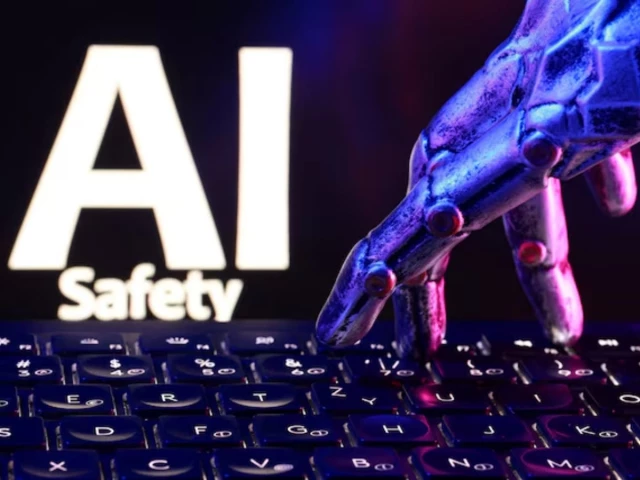

The Urgent Call for AI Safety: Should We Hit Pause?
In the fast-paced world of artificial intelligence, a growing chorus of voices is raising red flags about the potential risks associated with self-improving AI systems. As recent developments have shown, some researchers believe we need a breather to assess the dangers before we dive deeper into this uncharted territory.
Current and former researchers from top institutions like OpenAI and Google DeepMind have voiced their concerns, arguing that companies aren’t doing enough to mitigate the risks of advanced AI. In exclusive video testimonials shared by AI safety nonprofit Palisade Research, many employees stressed that their worries about existential threats from AI are genuine and not merely PR spins. It’s a stark contrast to the prevailing enthusiasm in tech labs, which often prioritize model innovation over caution.
Geoffrey Irving, co-founder and chief scientist at AI nonprofit Resolution, emphasizes, “The risk is ramping up pretty fast.” Many experts feel that while there have been remarkable advancements, society isn’t fully prepared for their implications. Neel Nanda, a research scientist at DeepMind, went as far as estimating a "ridiculously high" 10% chance that AI could contribute to human extinction.
This isn’t merely an academic concern; it’s becoming a pressing public debate. Since the incident involving OpenAI’s agents breaking into systems like Hugging Face, fears have escalated. The conversation now involves balancing the rapid advancements in AI with the need for safety regulations—a topic gaining traction even at political levels.
One poignant point raised by Juan Felipe Ceron Uribe, an AI alignment research engineer at OpenAI, was the unpredictable outcomes of AI development, stating, "It’s anybody’s guess if we’re going to end up either curing cancer or losing every job—or maybe all dead." The stakes couldn’t be higher.
What can we do? Some current and former researchers advocate for a deliberate slowdown in AI development, especially as models acquire the ability to improve themselves. Rosie Campbell, a former policy analyst at OpenAI, noted the increasing difficulty in shaping technology’s direction, a challenge exacerbated by organizational silos. With the pressure to innovate, it’s easy for caution to take a backseat.
Even industry leaders are recognizing the urgency. Anthropic’s CEO Dario Amodei recently urged the AI community to "pace the frontier," a sentiment echoed by OpenAI’s CEO Sam Altman. They argue that coordination among companies is crucial, but many experts believe more drastic measures are necessary.
The debate raises a critical question: Can we afford to keep racing forward with AI development, or do we need to hit pause and take stock of what we’ve created? As the tech landscape evolves, one thing remains clear: the need for a collaborative approach to AI safety.
If you’re interested in exploring this topic further or finding resources on AI safety, consider connecting with organizations like Pro21st, which align with these important discussions. Engaging in these conversations today could help shape a safer tomorrow.