
The Controversy Surrounding Starlink’s Entry into India
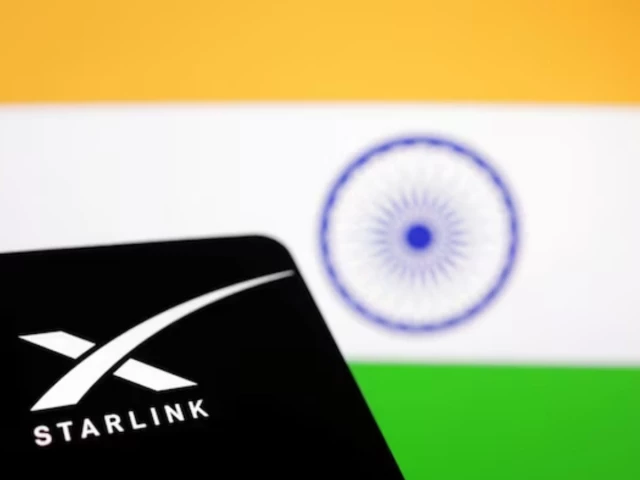
In the world of internet access, Starlink, SpaceX’s satellite internet service, has made waves for its ambitious plans to bring high-speed internet to underserved areas. However, its launch in India has hit a snag. Recently, the Swadeshi Jagran Manch (SJM), a prominent Hindu nationalist group linked to India’s ruling party, called for a ban on Starlink, citing national security concerns.
This isn’t just about internet access; it’s a complex web of economic interests and political maneuvering. Elon Musk directly accused Indian Prime Minister Narendra Modi’s government and billionaire Mukesh Ambani of stalling Starlink’s entry to favor Ambani’s Reliance Jio. This accusation has intensified scrutiny over the lengthy approval process that Starlink has faced, sparking a heated debate about fairness and transparency in regulatory practices.
India’s communications ministry has stated that security assessments for Starlink and its competitors are underway, aiming to ensure that the process is fair for all parties involved. They described allegations of bias as “baseless and misconceived,” highlighting the sensitivity surrounding internet regulations in the country.
SJM’s concerns extend beyond mere competition; they argue that the technology behind Starlink could hinder the government’s ability to manage internet restrictions during emergencies. Ashwani Mahajan, SJM’s national co-convenor, emphasized the need to safeguard India’s digital infrastructure, especially if trade relations with the U.S. weaken further.
Despite these hurdles, Starlink’s potential audience in India is massive, with over a billion internet users. This vast market makes it a lucrative opportunity that cannot be overlooked. Musk’s candid comments on social media reflect his frustrations but also underscore the fierce competition in the telecommunications arena. His jibes at Ambani have only added fuel to the fire, drawing public attention to the ongoing tug-of-war between major corporations and governmental regulations.
As discussions continue, it’s clear that the outcome of this saga could reshape not only the internet landscape in India but also influence how digital services are regulated in emerging markets worldwide. For those keen on understanding the evolving dynamics of digital infrastructure, staying informed is crucial.
If you’re interested in navigating these complex issues further or looking for ways to stay updated on tech developments, Pro21st offers insightful resources that can help you connect more deeply with these topics. Your journey in understanding the digital world begins here!