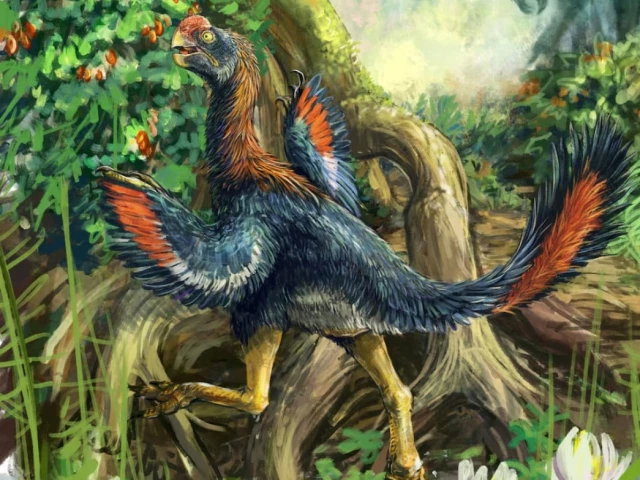

Discovering Infernogallus: The “Hell Chicken” Dinosaur
For centuries, dinosaurs captured our imagination with their size, might, and diverse diets. But recent discoveries are painting a more nuanced picture of these incredible creatures. One standout in this new narrative is Infernogallus jamesi, affectionately dubbed the “hell chicken” due to its bird-like appearance and the location of its fossils in the Hell Creek rock formation, spanning states like Montana and North Dakota.
Living approximately 66 million years ago during the Late Cretaceous, Infernogallus is a fascinating find. At just around 5 feet long and weighing about 25 pounds, this turkey-sized dinosaur primarily feasted on soft plants and fruits, showcasing adaptations typically found in modern frugivorous animals. Its parrot-like head and toothless beak were tailor-made for mashing soft food—think berries and drupes like peaches and cherries.
Before this discovery, the notion that dinosaurs could enjoy a fruit-based diet seemed far-fetched. Scientists often assumed the landscape of Cretaceous diets was dominated by predator-prey dynamics, resembling more the lion-impala connection than a peaceful stroll through a berry patch. But Infernogallus is flipping that script. The evidence suggests that these dinosaurs adapted remarkably to their environment, coexisting with notorious predators like Tyrannosaurus rex and other herbivores like Triceratops.
What’s particularly exciting is that this discovery hints at a complex ecological relationship between dinosaurs and flowering plants, or angiosperms, which emerged around 130 to 140 million years ago. As these plants began to flourish, they may have opened up a brand new dietary avenue for certain dinosaurs, allowing species like Infernogallus to thrive.
Paleontologist Greg Funston from Stony Brook University aptly summarizes the findings: “This definitely expands the range of lifestyles we thought dinosaurs had.” It sheds light on how adaptable these creatures were and challenges many long-held assumptions about their diets.
From a more scientific perspective, Infernogallus displayed unique structural features that pointed towards its frugivorous lifestyle. The organization of its jaw muscles facilitated efficient chewing motions, while distinct ridges and grooves on its beak helped it process softer foods. Funston notes, “No living animal has all three adaptations,” which underscores just how specialized Infernogallus truly was.
As mammals and birds started to rise during the Cretaceous, their roles in plant seed dispersal were significant, but they did not show the same physical adaptations as Infernogallus. This suggests that this dinosaur might have played a unique role in seed distribution for larger fruits.
In summary, Infernogallus is a remarkable reminder of the diversity of dinosaur life and diet. This discovery emphasizes that our understanding of these ancient creatures is continually evolving. For those curious about the ongoing wonders of paleontology, Pro21st connects you with knowledgeable enthusiasts and resources, fostering a deeper exploration of Earth’s rich history. So, let’s stay curious and keep delving into the past!