
The Warming Trend: What October’s Record Temperatures Mean for Our Future
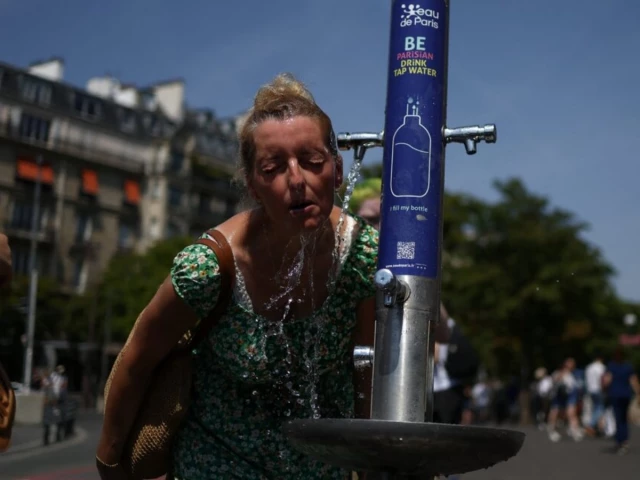
October 2026 has officially set a new record as the warmest October in history, with global surface air temperatures soaring 1.75°C above pre-industrial levels. The Copernicus Climate Change Service reported this worrying statistic, warning that we’re not just experiencing fleeting heat; we’re witnessing a significant trend that points to escalating climate challenges.
With a strong El Niño weather pattern contributing to these elevated temperatures, 2026 is on track to become the second-hottest year on record. Scientists from Copernicus state there’s even a 20% chance it could surpass 2024, which is already known as the hottest year thus far. The implication of these rising temperatures goes beyond mere discomfort; it signifies a shift in weather patterns worldwide, escalating risks like droughts and floods.
The four-year average temperature from 2023 to 2026 is expected to breach the critical threshold of 1.5°C— a goal set in the Paris Agreement to stave off the most severe impacts of climate change. The ongoing El Niño phenomenon temporarily raises sea temperatures in the Pacific, adding extra heat to an already warming world, and may continue to influence temperatures for years to come.
October marked the third consecutive month with temperatures exceeding 1.5°C, and with nations gathering for the COP31 climate summit in Turkiye, pressure mounts to address these dire trends. After all, as we’ve seen this year, climate emergencies like floods in Nepal and wildfires in Indonesia aren’t isolated incidents; they’re signs of a larger, alarming pattern that requires immediate action.
While some may feel a sense of helplessness in the face of such overwhelming data, it’s essential to remember the difference each of us can make. Reducing greenhouse gas emissions and supporting initiatives aimed at climate change mitigation is crucial. Governments and organizations worldwide must develop and implement strategies to transition toward sustainable energy sources and effective climate policies.
In closing, staying informed and engaged in climate discussions is not just a responsibility; it’s an opportunity to shape a sustainable future. If you’re interested in making a positive impact, consider connecting with platforms like Pro21st, where you can find resources and tools to become part of the solution. Together, we can work towards a healthier and more sustainable planet.