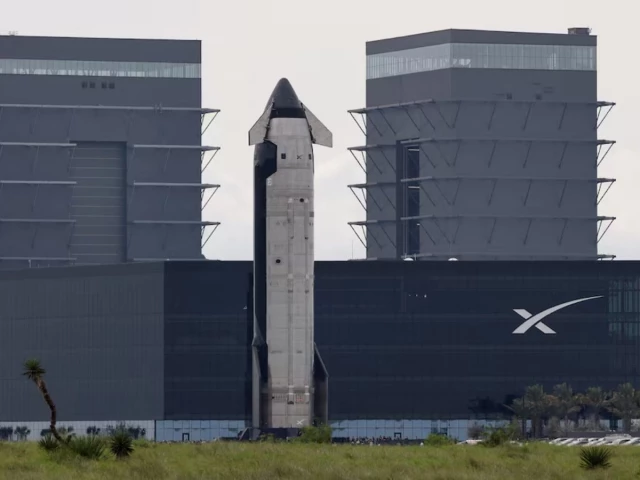

Starship’s 15th Flight: A Game-Changer for SpaceX and Beyond
SpaceX is gearing up for an exciting milestone with the upcoming 15th flight of its ambitious Starship rocket. Launching from SpaceX’s Starbase in South Texas, this mission is set to unfold new horizons not only for rocket reusability but also for the Starlink satellite network. So, what’s on the agenda for this high-stakes test flight?
Scheduled for November 12, 2026, at 4:45 p.m. CT, the 407-foot-tall Starship will take off atop the Super Heavy Booster. Unlike previous flights where rockets were tossed into the ocean after their missions, this time, SpaceX plans to capture both the booster and Starship upon their return to Texas, marking a significant step towards a fully reusable rocket system. Elon Musk has big dreams with this technology, aiming to streamline space travel and reduce costs dramatically.
This flight isn’t just about testing rocket technology; it’s also a revenue-generating venture for SpaceX. The mission will deliver a new batch of operational Starlink satellites, enhancing internet connectivity for users around the globe. Just think about it: a rocket designed to be reused multiple times could revolutionize how we think about space expeditions and satellite deployments.
Previously, SpaceX successfully launched Starship in September 2026, marking its first journey to orbit. Although some engines shut down mid-flight, the mission concluded with a successful splashdown in the Pacific, showcasing the resilience and adaptability of SpaceX’s engineering.
For this upcoming mission, Musk anticipates a rapid development cycle, aiming for weekly launches by early 2027. This ambitious timeline underscores SpaceX’s commitment to enhancing the Starlink network and even paving the way for future projects, like deploying AI-equipped satellites known as Starmind.
However, there’s a bit of a waiting game involved. As of now, the FAA has yet to issue a launch license for this flight—a routine step that SpaceX is accustomed to navigating on the road to innovation. If all goes smoothly, capturing both booster and spacecraft will be termed a "breakthrough moment," and it will significantly bolster SpaceX’s goal of making space travel more frequent and cost-effective.
Looking ahead, the Starship rocket isn’t just a tool for launching satellites or astronauts; it’s also backed by substantial NASA funding—over $3.2 billion—to facilitate its role in the Artemis program, which aims to return humans to the moon by 2028.
In conclusion, the upcoming 15th flight of Starship is a bold step forward for SpaceX, promising to drive innovation and lay the groundwork for future space exploration. Whether you’re a space enthusiast or just curious about the future of technology, this mission is worth keeping an eye on. If you’d like to delve deeper into the impact of advancements in aerospace technology and related fields, have a look at Pro21st, where we explore the frontier of innovation together.