
Understanding the Recent Espionage Conviction in Pakistan
In a significant development, an Indian national named Usman has been sentenced to 20 years in prison in Pakistan. This case has renewed scrutiny regarding espionage and terrorism, particularly with the ongoing tensions between India and Pakistan.
Who is Usman?
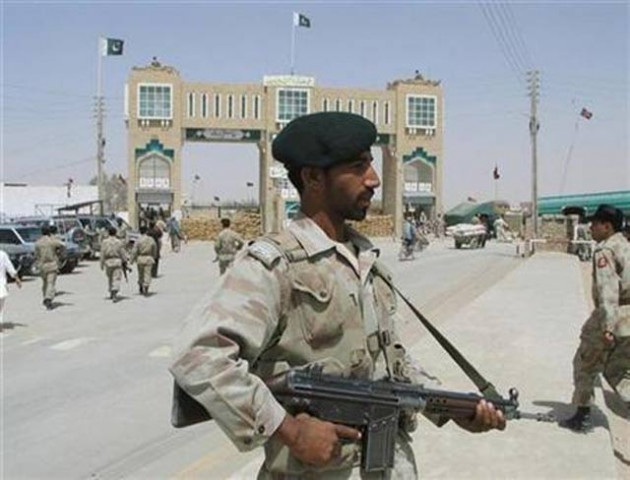
Usman, who also holds Afghan citizenship, was apprehended by security forces at the Chaman border in Balochistan while attempting to cross into Pakistan. Authorities had been monitoring him for months and suspected he was involved in activities aimed at destabilizing the region. Reports suggest that his plan included carrying out covert operations for Indian intelligence agencies.
A Troubling Trend
This incident isn’t isolated. It mirrors previous cases such as that of Kulbhushan Jadhav, an Indian spy arrested in March 2016. Jadhav’s apprehension rattled both countries and exposed the depth of India’s alleged interference in Pakistan’s security landscape. Jadhav, reportedly an officer of India’s Intelligence agency, was directly involved in orchestrating terror operations across the border. His case became a hallmark of the issues surrounding espionage and cross-border terrorism, shedding light on networks active in not just Pakistan, but globally.
Why This Matters
The recent conviction of Usman highlights a critical issue: the impact of espionage and terrorism on national security. Authorities in Pakistan are viewing these activities as significant threats, particularly since they come from foreign nationals aiming to undermine the country’s sovereignty. Usman’s dual citizenship compounds these worries, raising alarms about cross-border networks that operate with relative impunity.
The trial, held in a special court, affirmed the seriousness of the charges against Usman. His 20-year sentence sends a clear message that Pakistan is resolute in countering foreign interference. Naturally, this situation invites scrutiny from international bodies, which need to be aware of alleged activities that threaten regional stability.
Broader Implications
The ongoing diplomatic tensions between India and Pakistan, further strained by recent events, contribute to an already delicate situation. The ramifications of espionage extend beyond mere legal implications; they influence public perception and international relations.
In summary, Usman’s conviction is a stark reminder of the ongoing battles countries face regarding security and sovereignty. As we navigate these turbulent waters, staying informed is pivotal. If you want to delve deeper or explore related topics, connect with us at Pro21st for more insights and discussions.
At Pro21st, we believe in sharing updates that matter.
Stay connected for more real conversations, fresh insights, and 21st-century perspectives.