
Transparency and Ethical Practices in the Judiciary: A Call for Reform
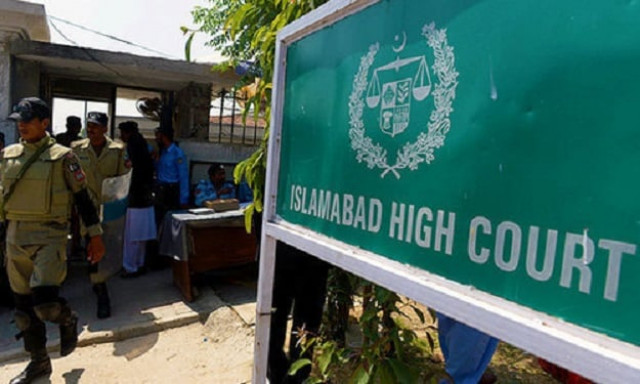
In the realm of justice, transparency plays a pivotal role in maintaining public trust. Recent events in Islamabad highlight pressing concerns over transparency within the Islamabad High Court (IHC). Ahead of a full-court meeting, two judges, Justice Babar Sattar and Justice Sardar Ejaz Ishaq Khan, have openly questioned the court’s administrative practices, asserting that the current system lacks fairness and accountability.
Justice Sattar, in a letter to the Chief Justice, emphasized the need for a structured approach in assigning cases, claiming that the current roster system resembles a "game of musical chairs." This situation makes one wonder: should case distribution truly depend on the whims of the Chief Justice? Or should it be rooted in the qualifications and expertise of each judge?
Both judges have urged for clarity in the decision-making process regarding case assignments. They point out that the current practices tend to sideline experienced judges, undermining the high court’s integrity. Surely, it’s vital to remember that judges are public servants—not ‘kings’—and their actions should be scrutinized like any public official’s.
Moreover, there’s the alarming issue of administrative controls that appear to diminish the independence of the judiciary. Justice Sattar expressed concerns that the current setup not only skews the perception of judicial performance but also creates a climate of fear among subordinate judges. If a judge cannot perform their duties without fearing repercussions, how can we expect a fair justice system?
Tariq Mahmood Khokhar, former additional attorney general, further elaborated on these points. He argues that in democratic nations, case allocations are based on transparent processes, ensuring no single judge wields absolute power. The implications of mismanagement within the judiciary are grave, affecting the fundamental principles of justice.
Advocate Abdul Moiz Jaferii echoed these sentiments, suggesting that the diminishing roles of independent judges may lead to a "rule by roster" that suffocates judicial efficacy. This ongoing struggle for institutional independence raises urgent questions: Can Pakistan’s judiciary regain its footing on ethical grounds? Will we witness reforms that prioritize transparency and systemic accountability?
Such dialogues are crucial as they guide the way forward for the IHC and its judges. Ensuring a fair, unbiased, and transparent judicial process can help restore public confidence and foster a healthier democracy.
If you’re interested in following further developments in this critical area or wish to engage more on this topic, consider connecting with Pro21st. Together, we can advocate for a stronger and more transparent judicial system.
At Pro21st, we believe in sharing updates that matter.
Stay connected for more real conversations, fresh insights, and 21st-century perspectives.