
Understanding the Impact of Cloud Outages: A Look at the Recent DynamoDB DNS Failure
On October 20, 2025, a major internet outage disrupted access to dozens of popular websites and apps, including Snapchat, Reddit, and even banking services in the UK. Imagine trying to log into your favorite app only to be met with an error message. This was the reality for millions across the globe, highlighting just how intertwined our digital lives are with cloud services, particularly those provided by Amazon Web Services (AWS).
So, what actually happened? The core of the issue was related to AWS’s DynamoDB — a crucial tool many online services depend on to store and retrieve data effectively. A failure in the DNS (Domain Name System) resolution meant that numerous apps couldn’t reach their necessary database endpoint, causing a domino effect where services either crashed or slowed significantly.
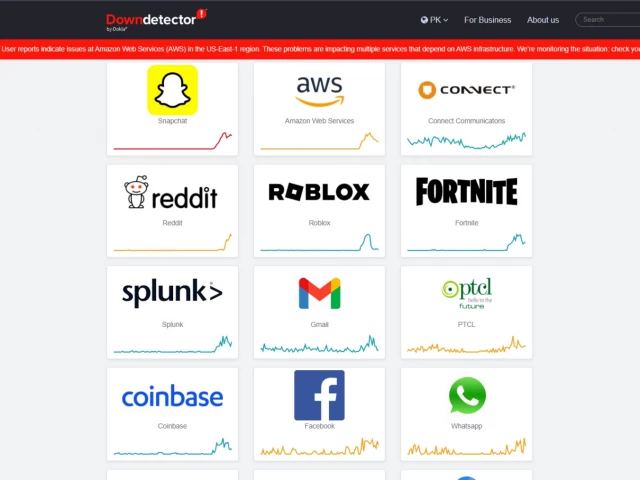
The outage wasn’t just an inconvenience; it blocked access to essential services. For businesses, the consequences were severe: lost sales, disrupted communication, and an urgent need to reroute to backup systems. For everyday users, it meant missing payments, delayed messages, and frustration. Downdetector, a website tracking service reliability, showed massive spikes in outage reports from users trying to use affected platforms.
Commonly Affected Services
Among those feeling the impact were:
- Snapchat: Users couldn’t access their accounts, leading to a wave of confusion.
- Fortnite & Roblox: These popular gaming platforms faced significant downtime, disappointing many gamers.
- Duolingo: Language learners found their study sessions interrupted.
- Venmo & Robinhood: Users experienced connectivity issues affecting everyday transactions.
- Players of Wordle: Even this beloved word game couldn’t escape the trouble!
It wasn’t just consumer apps, either. Vital services like HM Revenue and Customs in the UK and various banks encountered disruptions, showcasing how deeply interconnected these platforms are.
What Caused This?
Security teams scrutinized the incident but found no evidence of a cyberattack. Instead, the problem revealed a technical fault within AWS’s infrastructure. AWS confirmed “increased error rates and latencies” due to DNS resolution issues, leading to an urgent recovery effort by engineers. They had to reroute traffic and clear backlogs to stabilize services—an exhausting endeavor that took hours.
Lessons Learned
So, what can we take away from this? For individuals, it’s a reminder to stay informed. If you find yourself unable to access a service, quickly check its official status page for updates rather than repeatedly entering payment information.
For businesses, the failure serves as a wake-up call about the importance of cloud redundancy. Diversifying service providers and geographical regions isn’t just smart; it’s essential for maintaining online operations during outages and preventing a single point of failure from derailing your business.
In the strategy sessions that follow such incidents, companies often publish detailed post-mortems analyzing what went wrong and how they plan to improve. As we move forward, engineers expect AWS to enhance its regional redundancy and DNS failover capabilities to prevent future disruptions.
Final Thoughts
At the heart of this incident lies a critical truth: our modern lives hinge significantly on a handful of cloud providers. When one stumbles, the ripple effect can be felt widely. It’s a powerful reminder of the digital age we live in, where a single misstep can send shockwaves through our daily routines.
If you’re keen to deepen your understanding of cloud service management or explore ways to enhance your operational resilience, consider connecting with platforms like Pro21st. They can guide you in navigating the complexities of cloud strategies to ensure you stay up and running, no matter the circumstances. Stay informed, stay prepared!