Bridging the Gap: Prime Minister Shehbaz Sharif’s Vision for Global Cooperation
In a world brimming with challenges, the message from Prime Minister Shehbaz Sharif at the recent Future Investment Initiative (FII) Conference in Riyadh resonates deeply. Speaking at a high-level roundtable themed, "Is Humanity Heading in the Right Direction?", he emphasized the urgent need for collaboration between the Global North and South. This gathering wasn’t just another talk shop; it sparked conversations on technology transfer, resource sharing, and collective problem-solving—topics increasingly critical in our interconnected world.
Prime Minister Shehbaz specifically called on developed nations to step up in the face of climate challenges, urging them to focus on long-term solutions rather than temporary fixes like repeated loans. Loans may offer a short-term lifeline, but they often come with strings attached and can undermine lasting economic stability. The prime minister argued that true progress hinges on sharing modern technologies in agriculture and industry, fundamentally transforming how nations operate and thrive.
Pakistan, gifted with immense natural resources, has embarked on ambitious reforms aimed at digitizing governance and combating corruption. His remarks highlight the transition toward a modern economy. As he put it, "Rome was not built overnight." With 60% of Pakistan’s population being youth, the government is prioritizing skill training and employment programs, tapping into this demographic for innovative growth.
The stark reality of recent natural disasters, like the 2022 floods that imposed a staggering $130 billion loss, highlights Pakistan’s vulnerability to climate change. Despite contributing less than 1% of global greenhouse gas emissions, the country remains among the top ten most climate-vulnerable nations. The prime minister reiterated that collective action is crucial, especially in times of crisis. "This is not acceptable," he stated, underlining the need for global support to combat climate-induced disasters.
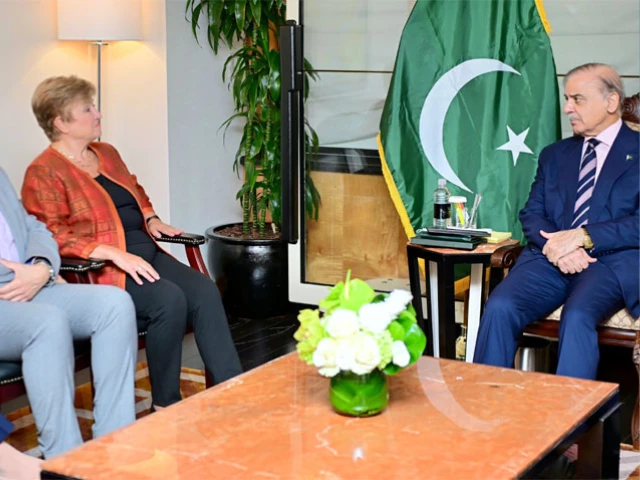
On the sidelines of the conference, Shehbaz engaged with leaders from the World Economic Forum, propelling discussions about structural economic reforms centered on stabilization, digital transformation, and export-led growth. His acceptance of an invitation to the annual Davos meeting underscores Pakistan’s commitment to being a proactive player on the global stage.
Moreover, he addressed the transformative potential of Artificial Intelligence (AI), stressing the need for meaningful dialogue between the Global North and South for its responsible deployment. Pakistan is not just a passive observer; the nation is bolstering its IT sector to prepare its youth for future challenges.
The cooperation framework established during his discussions with Saudi Crown Prince Mohammed bin Salman represents a leap forward for bilateral relations, targeting sectors from energy to agriculture. This partnership reflects a shared commitment to building a sustainable economic future rooted in historic ties and mutual respect.
As we think about the complexities of global relations, it’s essential to remain optimistic. Dialogue, coupled with a focus on innovation and collaboration, is vital for tackling the pressing challenges of our time. For those interested in exploring these themes further, connecting with organizations like Pro21st can provide additional insights and pathways for collaboration in fostering global progress. When nations unite with purpose, there’s no limit to what can be achieved. Let’s keep the conversation going!
At Pro21st, we believe in sharing updates that matter.
Stay connected for more real conversations, fresh insights, and 21st-century perspectives.