Khyber-Pakhtunkhwa’s New Cabinet: Key Appointments and What They Mean for Governance
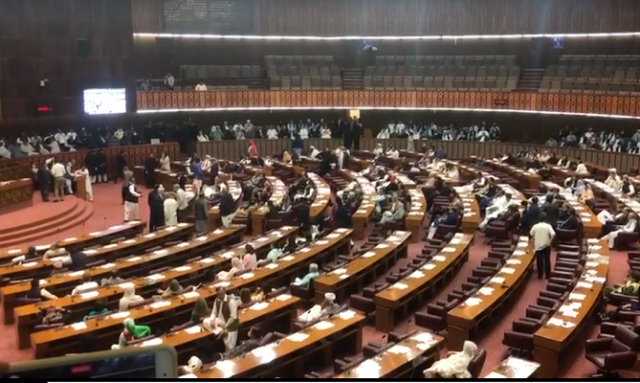
Exciting changes are underway in Khyber-Pakhtunkhwa, as the new 13-member cabinet recently took their oaths. Led by Chief Minister Sohail Afridi, the freshly minted cabinet marks a significant transition in governance for the province, with ten members now assigned to specific portfolios.
Among the notable appointments, Shafi Ullah Jan, hailing from Kohat, has been appointed as the Special Assistant for Information, Broadcasting, and Public Relations. This role is crucial in shaping public perception and managing the province’s communications. Meanwhile, Meena Khan Afridi, based in Peshawar, has stepped into the Local Government Department, a portfolio that was previously held by former Chief Minister Ali Amin Gandapur.
Several other key cabinet members have also received new assignments. Arshad Ayub Khan will now oversee the Elementary and Secondary Education Department, transitioning from his previous role in Local Government. Fazal Shakoor Khan, known for his work in the Labour Ministry, is now tasked with Public Health Engineering. These reshuffles hint at a strategic focus on education and health—a crucial need for the province, especially post-pandemic.
Dr. Amjad Ali continues to lead the Housing portfolio, bringing consistency to that department. Aftab Alam Afridi returns to his position as Minister for Law, Parliamentary Affairs, and Human Rights, while Syed Fakhar Jehan, formerly in Sports and Youth Affairs, will now manage the Excise and Taxation Department. Each role is vital for the smooth functioning of state governance and reflects a blend of experience and fresh perspective.
It’s noteworthy that the absence of a cabinet had previously stalled governance in the province, leaving many decisions in limbo and empowering bureaucracy over elected officials. Critics of the former governance were vocal about the need for a new cabinet to rejuvenate local administration, and it appears that CM Afridi has taken swift action on that front.
During his inaugural address, Afridi emphasized his commitment to the vision set by PTI founder Imran Khan. His statement rings clear: governance will be guided by a shared ideology, echoing Khan’s principles. This could lead to exciting policies that align with the broader objectives of the PTI party.
As the province steps into this new era, one can only hope for a smooth transition and enhanced collaboration between the cabinet members to address the pressing needs of the public. If you’re interested in keeping up with the latest developments in Khyber-Pakhtunkhwa’s governance, consider engaging with trusted sources for updates.
For more insights and discussions on governance and regional developments, connect with Pro21st, where we aim to keep you informed and involved.
At Pro21st, we believe in sharing updates that matter.
Stay connected for more real conversations, fresh insights, and 21st-century perspectives.