
Emergency Landing: What Happened on PIA Flight PK-859?
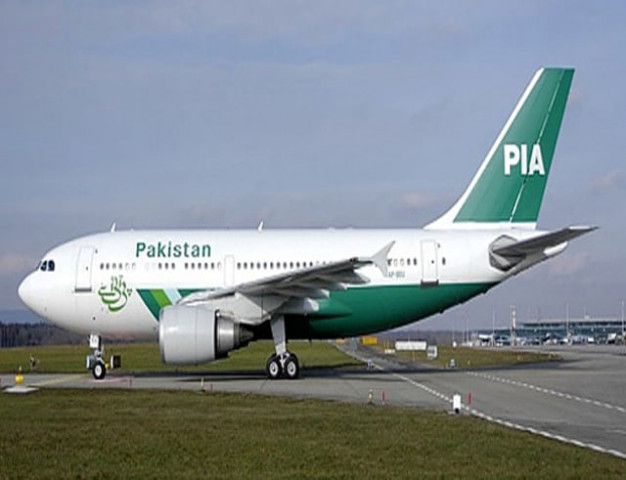
In an unexpected turn of events, a Pakistan International Airlines (PIA) flight from Lahore to Jeddah was forced to make an emergency landing early Thursday morning at Karachi Airport. Imagine sitting comfortably on a plane, ready for takeoff, and then suddenly being jolted by a midair crisis. That’s exactly what happened to passengers on PIA flight PK-859 when the aircraft’s windshield cracked midair.
The pilot acted swiftly, diverting the flight to Jinnah International Terminal. While PIA attributed the crack to a bird strike, this claim was later denied by the Pakistan Airports Authority. In fact, the Society of Aircraft Engineers of Pakistan (SEAP) suggested that the incident stemmed from the airline’s negligence in replacing aircraft components on time. It’s a classic case of one organization’s word against another!
As the aircraft flew over the sky, the situation understandably sparked panic among passengers. The first officer’s side windshield had cracked, prompting the pilot to contact Karachi Air Traffic Control for an emergency landing. Safety is always the priority, so it’s a relief that the crew managed to handle the situation efficiently.
Upon landing, PIA officials assured passengers that the damaged windshield would be replaced, and they would be flown to Jeddah either on the same aircraft or another one. Nevertheless, it was a tense morning for everyone involved.
As travelers, we often place our trust in airlines to ensure our safety. Situations like these remind us of the importance of regular maintenance and timely parts replacement in aviation. So, if you’re a frequent flyer, it might be worth paying attention to the safety records of the airlines you choose.
If you’re looking for reliable information on travel, craft, or aviation news, don’t hesitate to explore more at Pro21st. Stay informed and stay safe while you travel!
At Pro21st, we believe in sharing updates that matter.
Stay connected for more real conversations, fresh insights, and 21st-century perspectives.