
Understanding the 27th Constitutional Amendment: Key Changes and Impact
The political landscape in Pakistan is buzzing with the recent developments surrounding the 27th Constitutional Amendment. Law Minister Azam Nazeer Tarar is set to dive into the details of this critical amendment during a breakfast reception for coalition senators. Prime Minister Shehbaz Sharif is hosting the event to express gratitude for their support, as the new amendment marks a significant shift in the country’s governance structure.
So, what exactly does this amendment entail? The joint parliamentary committee has given the green light to a draft that aims to revamp Pakistan’s military command and judicial systems. One of the most talked-about changes is the creation of the role of Chief of the Defence Forces, which will replace the current Chairman Joint Chiefs of Staff Committee. This move seeks to consolidate military command under a singular authority, altering Article 243 to streamline the chain of command, which should enhance operational efficiency.
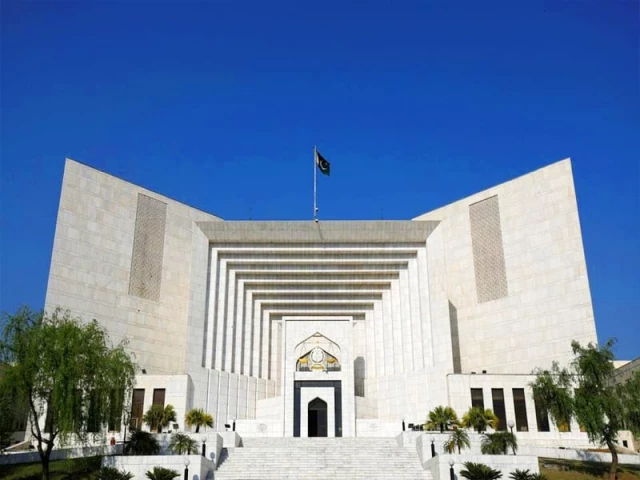
Another noteworthy aspect includes the establishment of a Federal Constitutional Court, a pivotal change that would adjudicate constitutional disputes. This court’s decisions can have far-reaching implications, especially for upholding fundamental rights.
A controversial element introduced into the amendment is the proposal granting lifetime immunity to the president from prosecution, which has drawn mixed reactions from the public and politicians alike. Critics argue it could create a sense of untouchability for the office, while proponents believe it provides necessary protections.
In addition to these structural changes, the amendment affects how judges are appointed, aiming to create a more transparent selection process. Notably, the amendments to Article 175A will shape the future of judicial appointments, adding more layers to this crucial mechanism.
Overall, the 27th Constitutional Amendment represents a bold stride toward redefining governance in Pakistan, but it also raises questions about accountability and judicial independence. As this legislative process moves forward, the implications of these changes will undoubtedly be a hot topic of discussion.
For those interested in keeping abreast of these developments and their impacts on governance, staying connected with platforms like Pro21st can provide valuable insights into ongoing political shifts.
At Pro21st, we believe in sharing updates that matter.
Stay connected for more real conversations, fresh insights, and 21st-century perspectives.