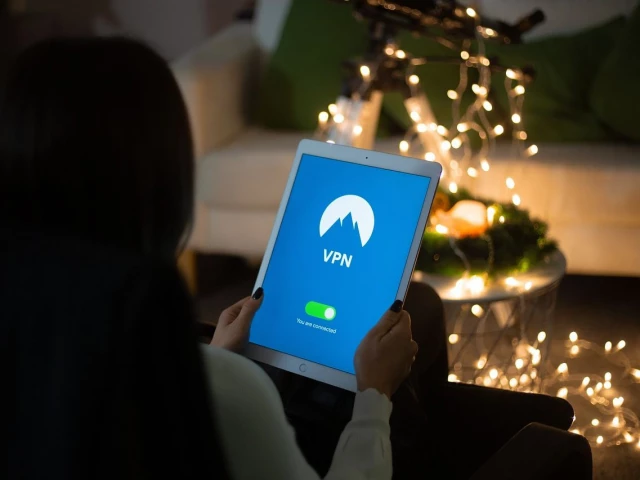

Beware of Malicious VPN Apps: Protect Your Privacy
In an age where our online safety is more crucial than ever, many people are turning to Virtual Private Networks (VPNs) for added security. However, Google has recently issued a warning about a rise in malicious VPN apps designed to steal your sensitive data. These scams can access passwords, banking information, and even cryptocurrency wallets, all while pretending to offer you privacy and protection.
The Rise of Counterfeit VPNs
According to Google’s November 2025 Fraud and Scams Advisory, cybercriminals are capitalizing on the growing demand for online security tools. Many fraudulent VPN apps mimic well-known brands or employ enticing advertising to lure unsuspecting users. Once installed, these malicious apps can deliver spyware and malware that puts your sensitive information at risk.
Laurie Richardson, Google’s vice president of trust and safety, cautioned that these fake apps often appear legitimate. “They may even perform basic VPN functions,” she explained, “but behind the scenes, they can compromise your passwords, banking details, and private messages.”
Understanding the Risks
The surge in VPN usage is largely influenced by new online safety laws, especially in the US and UK, which restrict access to certain types of content. Unfortunately, this increased demand has also led to a proliferation of counterfeit apps that may even pass as genuine in official app stores. With polished designs and fake reviews, users could easily be misled.
Once these malicious apps are on your device, they can deploy info-stealers, banking trojans, and remote access tools that rummage through your browsing history and sensitive stored data.
VPN Myths Debunked
It’s essential to understand that while VPNs can mask your IP address, they don’t make you completely anonymous online. "A VPN can enhance your privacy, but it doesn’t provide total invisibility," Richardson noted, advising users to be cautious of any app that promises absolute protection.
How to Choose a Safe VPN
To protect yourself, always download VPN apps from verified sources, such as the Play Store, and steer clear of free services that ask for unnecessary permissions like access to your contacts or messages. Remember, while VPNs can help you bypass regional restrictions and protect your data on public Wi-Fi, they’re no substitute for a comprehensive security setup.
Conclusion
As the digital landscape continues to evolve, so do the tactics used by cybercriminals. Being informed is your best defense. By understanding the risks associated with VPNs and choosing only reliable sources, you can greatly reduce your chances of becoming a victim of these scams.
If you’re looking for trustworthy information and tools to enhance your online safety, consider exploring resources like Pro21st, which connects you with reputable security advice and services. Stay safe out there!