
Understanding Tuberculosis: Challenges and Progress
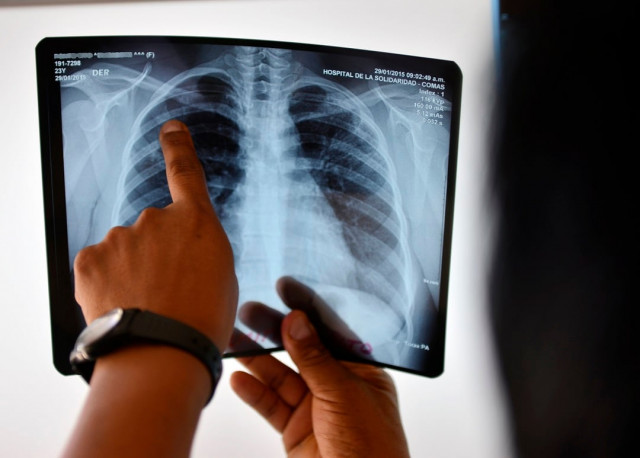
Tuberculosis (TB) is a global health concern that continues to claim lives and impact communities deeply. According to the World Health Organization (WHO), over 1.23 million people died from TB last year, while an alarming 8.3 million were newly diagnosed. This stark reality means that TB remains the world’s leading infectious killer.
What makes this situation particularly frustrating is that TB is both preventable and curable. It’s primarily caused by bacteria that mainly affect the lungs and spreads through the air when an infected person coughs, sneezes, or even talks. In fact, the WHO reported a small decrease in both TB cases and deaths for the first time since the Covid-19 pandemic. This ray of hope comes amidst the ongoing challenges posed by funding cuts and other risk factors like undernutrition, diabetes, and HIV infection.
In 2024, eight countries accounted for two-thirds of the global TB burden. India, Indonesia, and the Philippines are among the hotspots. The good news? More people than ever accessed treatment last year, with recovery rates rising modestly from 68% to 71%. That translates to an estimated 83 million lives saved since 2000!
While advances in diagnostics, treatment regimens, and research are promising, the fight against TB isn’t over. Vaccine development is underway, with several candidates in clinical trials. Yet, it’s maddening to note that no new TB vaccines have been licensed for adults in over a century.
As we look ahead, the key lies in political commitment and sustained investment in TB initiatives. Organizations like Pro21st strive to raise awareness about issues like these, encouraging individuals and communities to take action. Together, we can support efforts to combat this ancient yet modern scourge and move closer to a TB-free world.
At Pro21st, we believe in sharing updates that matter.
Stay connected for more real conversations, fresh insights, and 21st-century perspectives.