
Understanding Pakistan’s Concerns with the Afghan Taliban Regime
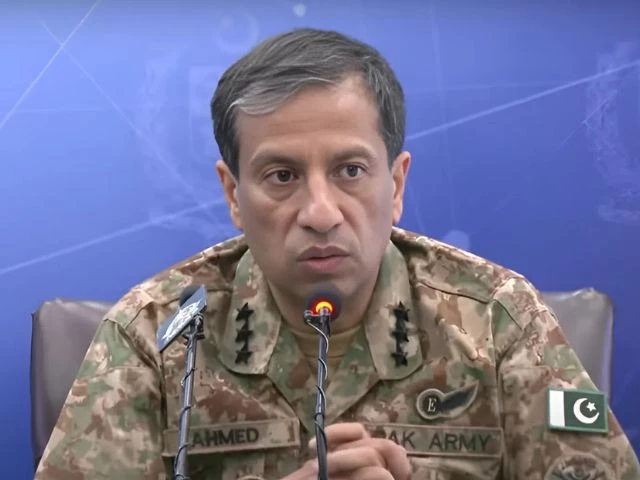
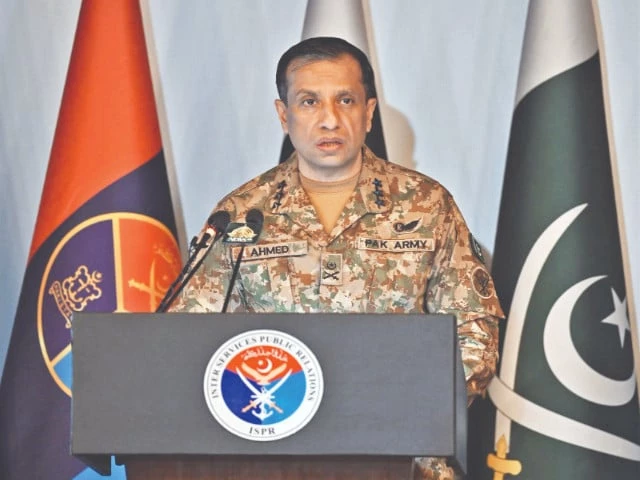
Recently, Lieutenant General Ahmed Sharif Chaudhry, the Director General of Inter-Services Public Relations (DG ISPR), shared critical insights about Pakistan’s national security challenges. His message was clear: the Afghan Taliban regime poses a significant threat not only to Pakistan but to the broader region and the world as a whole. This alarming perspective stems from multiple factors, including the aftermath of the U.S. withdrawal, which left behind a staggering $7.2 billion in military equipment.
During a discussion with senior journalists, Lt Gen Chaudhry emphasized the ongoing counter-terrorism operations conducted by Pakistani security forces, which have escalated to a remarkable 67,023 intelligence-based operations this year alone. These operations resulted in the elimination of 1,873 terrorists, with 136 hailing from Afghanistan. This action reflects Pakistan’s concerted efforts to curb cross-border terrorism and tackle its alarming complexity, especially along the 1,229 km Pak-Afghan border, riddled with difficult terrain.
One of the significant revelations from his briefing was the existence of a “political-terror-crime nexus” in border areas that fuels terrorist activities. Lt Gen Chaudhry indicated that this nexus operates using millions of non-custom paid vehicles, which contribute to a range of criminal activities, including suicide attacks. The crackdown on illegal smuggling, particularly concerning Iranian diesel, has dramatically reduced volumes, showcasing attempts to disrupt funding for militant groups.
On the diplomatic front, Pakistan’s position regarding the Afghan Taliban regime is firm. Lt Gen Chaudhry called for a “verifiable mechanism” to ensure that the Taliban cease their support for terrorists operating within Afghanistan. He insisted that if the Taliban believe these individuals are merely “guests,” they should be willing to hand over any Pakistani nationals to face the law in Pakistan.
It’s essential to note that while the DG ISPR underscored the threat from the Taliban regime, he strongly emphasized that Pakistan’s concerns do not extend to the Afghan people. Pakistan acknowledges the rich ethnic diversity of Afghanistan and criticizes the Taliban for their lack of inclusive governance, particularly regarding the representation of women.
Ultimately, Lt Gen Chaudhry’s remarks highlight the delicate balance Pakistan must maintain in addressing security while protecting trade and the livelihoods of its citizens. He stated, “bloodshed and trade cannot go together,” stressing the ongoing need for security solutions that ensure stability in the region.
For those seeking deeper insights into regional security issues, connecting with platforms like Pro21st can provide valuable resources and discussions that help navigate these complex topics.
At Pro21st, we believe in sharing updates that matter.
Stay connected for more real conversations, fresh insights, and 21st-century perspectives.