
Transforming Pakistan’s Higher Education: A Call to Action
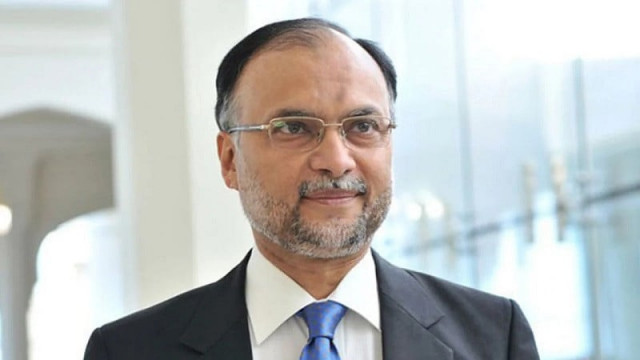
Higher education in Pakistan is at a pivotal moment, and it’s time for a major shift. Recently, Professor Ahsan Iqbal, the Minister for Planning, Development, and Special Initiatives, emphasized the urgent need for our universities to become engines of innovation and contributors to national development. Instead of getting lost in endless paperwork and academic journals, the focus should shift to real-world solutions that address pressing issues.
During the National Leadership Dialogue organized by the Pakistan Institute of Development Economics, Ahsan Iqbal reminisced about past initiatives like Vision 2010 and Vision 2025, which aimed to build robust human capital. While previous efforts faced obstacles, they laid a foundation for the present higher education landscape. He pointed out that, back during Vision 2010, there was a significant shortage of qualified faculty—only about 350 PhDs in science and technology, many nearing retirement age. The government responded with programs to produce 10,000 new PhDs, a crucial step towards strengthening our academic system.
The funding for higher education saw a significant increase during Vision 2025, a testament to the government’s commitment. The budget ballooned from around Rs10 billion to Rs45 billion, allowing for more inclusive and competitive higher education avenues. A crucial part of this reform agenda involves creating a two-tier university system. One tier aims for broad access, while the other focuses on premier universities that engage in high-level research and compete globally.
Furthermore, with the launch of programs like the US-Pakistan Knowledge Corridor, there’s an uptick in international collaboration aimed at bridging the human resource gap. However, the stark reality remains that Pakistan’s higher education participation rate is only 13%, significantly lower than neighboring countries like Bangladesh and China. This gap is a hurdle we must overcome to foster growth and innovation.
Ahsan Iqbal voiced concerns over academic inflation—too many papers are published, yet few offer ideas that truly contribute to national development. The minister stressed the importance of shifting towards innovation, commercialization, and stronger industry linkages. Universities should evolve into innovation engines and policy think tanks to tackle challenges in sectors like agriculture and technology.
To ensure this transition happens efficiently, the government is developing a performance audit framework for universities. This will evaluate aspects such as academic excellence, research innovation, and community contributions. Ahsan Iqbal’s vision is clear: universities must serve as pivotal institutions of national development, and the urgency behind this transformation cannot be overstated.
In this rapidly changing world, it’s essential for us to remain connected and engaged in dialogue about these developments. As we push for these reforms, let’s remember that every voice counts. For those interested in staying updated and involved, platforms like Pro21st can offer valuable resources and discussions on such pressing topics. Together, we can make a difference!
At Pro21st, we believe in sharing updates that matter.
Stay connected for more real conversations, fresh insights, and 21st-century perspectives.