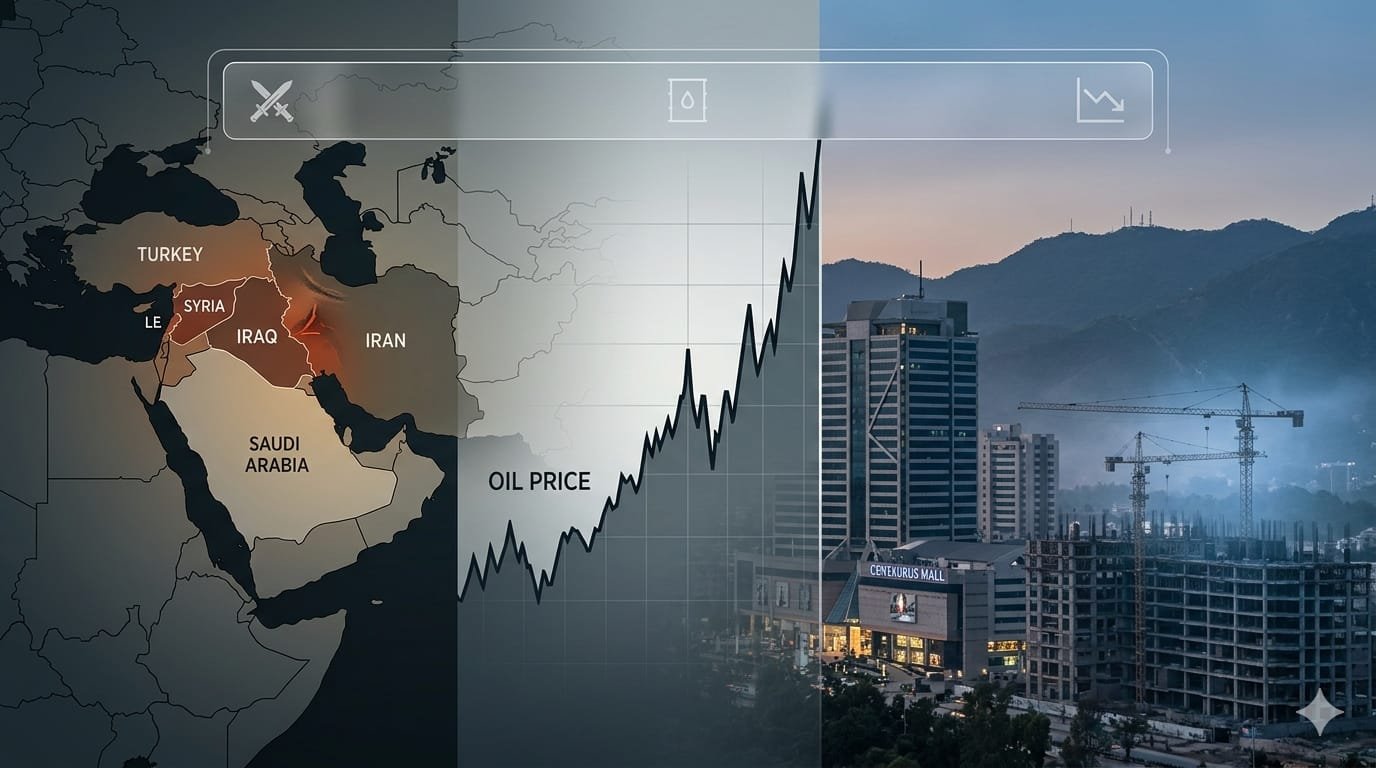


The ongoing conflict in the Middle East, particularly between Iran and Israel, is causing ripples that can be felt all the way to Pakistan’s shores. While these geopolitical tensions may seem distant, their impact on the local real estate market is immediate and profound.
In a country where real estate is closely tied to economic stability and overseas financial inflows, the current turmoil is leading investors to reassess their strategies. The trickle-down effects are visible in construction material prices, and in the pockets of potential homeowners and investors alike.
Why Should We Care?
The relationship between Pakistan and the Middle East has always been tight-knit, influenced heavily by three major factors:
- Oil Dependence: A spike in oil prices directly affects logistics and energy costs, impacting everything from construction to transportation.
- Remittances: Many families rely on money sent from overseas, which is crucial for purchasing property.
- Investor Confidence: Any regional instability prompts investors to hold onto their capital, causing a market slow-down.
Consequently, as tensions rise, so do construction and living costs in cities like Islamabad and Lahore.
Cost of Construction
One of the most direct impacts of the conflict is a surge in global oil prices. As Pakistan imports most of its fuel, even modest disruptions can cause significant increases in the cost of materials—cement and steel, for instance. Developers now face:
- Increased Material Costs: With freight charges rising, the prices of essential construction materials are climbing rapidly.
- Logistics Challenges: Operating heavy machinery and transporting materials is becoming increasingly expensive.
- Budget Constraints: Projects that were once considered feasible are now encountering financial roadblocks, leading to delays or cancellations.
For busy markets in Islamabad, these changes mean slower construction times and added costs for buyers, who may be hit with unforeseen charges due to these rising expenditures.
Stability Through Remittances
Many Pakistanis depend on remittances from family working abroad, particularly in the Gulf nations. A slowdown in economic activity due to geopolitical unrest can have immediate consequences, making it harder for these families to support property investments. This causes:
- Income uncertainty, leading to delayed payments for properties.
- A decline in new bookings from expatriates, severely affecting the market.
This makes the real estate market unusually sensitive to changes in the international climate, particularly for speculative investments aimed at overseas buyers.
Investor Behavior Shifts
Economic uncertainty often leads investors to shift their focus toward wealth preservation instead of growth. Instead of taking risks, they are looking for secure, stable investments:
- Ready-to-Move Properties: Investors favor tangible assets where they can see their investment.
- Income-Generating Properties: Commercial spaces that ensure a steady cash flow are highly sought after.
- Smaller, Lower-Risk Investments: This is not the time for massive capital tie-ups.
The Bottom Line
The current geopolitical tensions in the Middle East are bound to impact the local real estate market in various ways. However, with smart strategies and a little patience, there are still opportunities to be found. For anyone looking to stay updated on the evolving landscape, platforms like Thaikadar (ٹھیکیدار) provide essential insights and listings in the real estate market.
Looking to explore your options? Take action today and connect with Pro21st for tailored advice and investment opportunities.