
Pakistan International Airlines Set for Privatization: What It Means for the Future
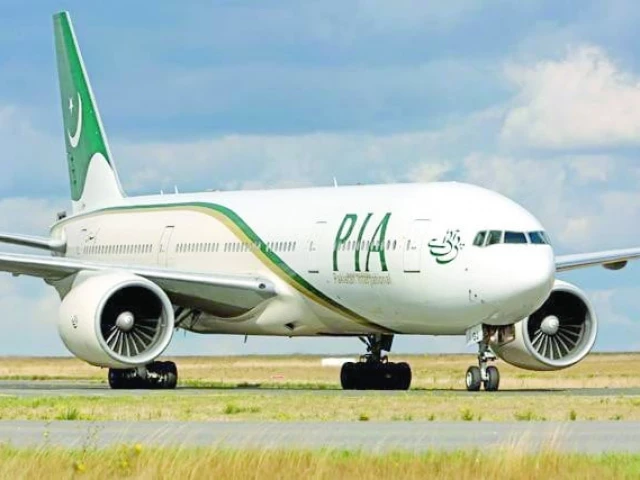
Hey there! Exciting news is brewing in the aviation sector of Pakistan. Pakistan International Airlines (PIA), the nation’s flag carrier, is gearing up for a new chapter as it prepares for privatization. From April 2026, a fresh owner will take the helm, and with this transition comes a significant cash injection aimed at revitalizing the struggling airline. Sounds intriguing? Let’s dive in!
Just recently, a consortium led by Arif Habib Corporation emerged victorious in a live auction, snagging a 75% stake in PIA with a remarkable bid of Rs135 billion. This offer not only beat the government’s reserve price of Rs100 billion but also marked a much-needed breakthrough in the long-stalled privatization journey of PIA.
What does this mean for the airline and its employees? According to Muhammad Ali, the Prime Minister’s adviser on privatization, we can expect the new ownership to kick in by April next year. Financially, the deal seems solid — the government will be receiving Rs10 billion upfront while retaining a 25% share, valued at about Rs45 billion. This structure has been carefully crafted to secure fresh capital, ensuring PIA doesn’t merely change hands but actually benefits from this new investment.
It’s also worth mentioning that the winning consortium isn’t just a single entity; it includes notable players like Fatima Fertilizer, the City School, and Lake City Holdings. The possibility of adding up to two partners, including a foreign airline, is on the table, which could be a game-changer in infusing financial strength and global expertise into PIA.
Now, let’s talk about the workforce. A major concern with privatization is the fate of employees. Thankfully, there are safeguards in place: the new owners will have to retain all employees for at least 12 months under their current contracts. This is a reassuring move, especially considering the workforce has already faced significant reductions in recent years.
Of course, the pressure from the International Monetary Fund (IMF) looms large. They’ve been vocal about the need for Pakistan to cease the losses from state-owned enterprises. This privatization effort isn’t just about selling an airline; it’s also a critical test of the country’s reform credibility in the eyes of international financiers.
Closing this deal isn’t just a simple transaction; it’s a signal that the government is serious about reform and future privatizations. With several more transactions in the pipeline, the successful sale of PIA could pave the way for a more robust economic landscape.
So, whether you’re a frequent flyer, an investor, or simply someone who wants to keep an eye on Pakistan’s economic evolution, the privatization of PIA is certainly a development worth tracking. If you’re curious about how these changes might unfold or want to connect over discussions about the future of Pakistan’s aviation sector, feel free to reach out to Pro21st for insights and perspectives!
This new era for PIA is shaping up to be a significant chapter in Pakistan’s journey. Let’s see what the skies hold!
At Pro21st, we believe in sharing updates that matter.
Stay connected for more real conversations, fresh insights, and 21st-century perspectives.