Latest Developments in Pakistan’s Political Landscape: What You Need to Know
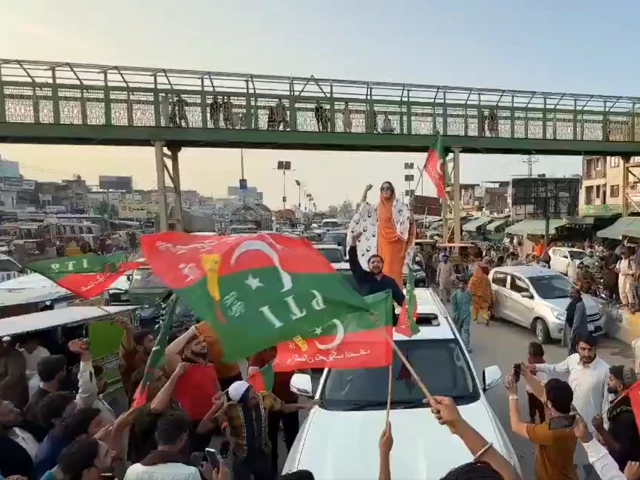
In recent weeks, the political climate in Pakistan has been anything but calm. An Anti-Terrorism Court in Islamabad has made headlines by issuing arrest warrants for prominent Pakistan Tehreek-e-Insaf (PTI) leader Sheikh Waqas Akram. Alongside this, the court also ordered the blocking of passports for PTI leaders Omar Ayub and Zartaj Gul. This initiative is linked to the protests that occurred on November 26, 2022, when PTI took a firm stand to demand the release of their founder, Imran Khan, and push against controversial constitutional amendments.
The protests were met with significant resistance from authorities, resulting in a heavy-handed crackdown. Why does this matter? Well, during those protests alone, the Pakistani government reported losses of around Rs151 million due to the closure of motorways, indicating the profound societal and economic impact of political unrest.
Background on the Protests
On November 26, when PTI sought to rally support in Islamabad, tensions escalated rapidly. According to communications ministry reports, the demonstrators were allegedly armed with sticks and slingshots, raising law and order concerns that led to swift actions by law enforcement. These protests were not an isolated event but part of a larger struggle within the political sphere that reflects deep-seated issues in governance and accountability.
The Judicial Response
The courts are now stepping in, as evident from the recent actions taken by the Islamabad High Court (IHC). The IHC has summoned officials over a contempt petition related to the denial of a meeting between a lawyer and Imran Khan. Such legal battles reveal not only the challenges within the political system but also highlight the role of the judiciary in maintaining order and justice.
Justice Arbab Muhammad Tahir, who is overseeing the contempt petition, emphasized the importance of legal rights in his courtroom. This serves as a reminder of the checks and balances crucial to a functioning democracy. The court’s insistence on transparency and compliance is vital for fostering public trust.
The Bigger Picture
These events bring to light the ongoing struggle not just for PTI and its leaders but for the future of governance in Pakistan. It raises questions about civil liberties, political freedom, and the long-term impact of such confrontations on the country’s democratic framework.
As the situation continues to unfold, it serves as a critical moment for Pakistan’s citizens to engage in dialogue and seek answers. Whether you’re a political enthusiast or simply someone who wants to stay informed, these developments are crucial to understanding the shifting sands of power in Pakistan.
For more insights, analysis, and updates on Pakistan’s political landscape, feel free to explore communities that share your interests. One such place to connect with others is at Pro21st, where you can engage with valuable conversations and stay ahead of current affairs.
At Pro21st, we believe in sharing updates that matter.
Stay connected for more real conversations, fresh insights, and 21st-century perspectives.