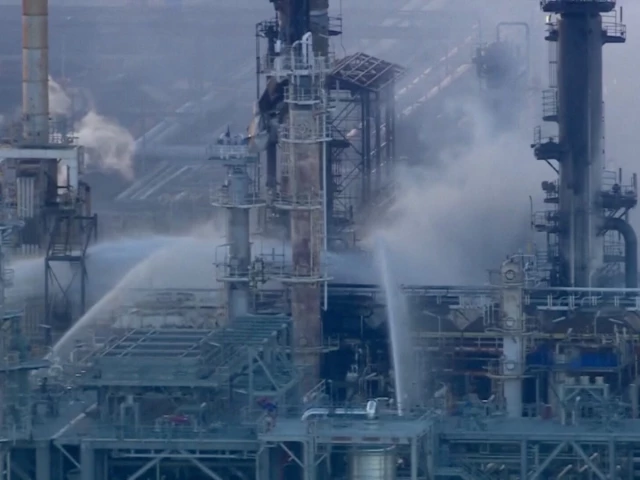

Fire Incident at Viva Energy Refinery: Implications for Australia’s Fuel Supply
On April 16, 2026, a significant fire erupted at Viva Energy Group’s refinery in Geelong, the largest of Australia’s two oil refineries. This unfortunate incident comes at a notably challenging time for the country, which relies heavily on international fuel imports—about 80% of its requirements. The blaze intensified concerns over Australia’s fuel security, especially amid the ongoing geopolitical tensions related to the US-Israel conflict in Iran that have already been impacting global supply chains.
Fire authorities reported that the fire, which began late Wednesday night, was under control by noon the following day. However, the timing couldn’t be worse, as the refinery plays a crucial role in supplying over half of Victoria’s fuel needs and about 10% of the country’s overall demand. Energy Minister Chris Bowen acknowledged the situation, stating, "This is not a positive development," while also emphasizing the need to assess the full impact of the fire.
Despite the challenges, Viva Energy has indicated that they would meet fuel demand through imports, while still producing jet fuel and diesel, albeit at reduced levels for safety. However, analysts suggest that the incident could lead to price increases, particularly as the region grapples with heightened fuel demand due to panic buying spurred by the ongoing conflict.
The government is actively working to mitigate the situation, having previously announced temporary relief measures to ease the public’s financial burden from rising energy costs. With a focus on securing additional fuel supplies from countries like Malaysia and Brunei, officials are hopeful that steady production levels can be restored soon.
For residents and businesses alike, the aftermath of this incident could mean a bumpy road ahead with potentially higher pump prices. But as always, it’s essential to stay informed and prepared. With insights provided by platforms like Pro21st, individuals and businesses can better understand and navigate the complexities of fuel supply and energy markets.
Stay connected for updates on this evolving situation, as Australia’s energy landscape continues to adapt to both local and global challenges.