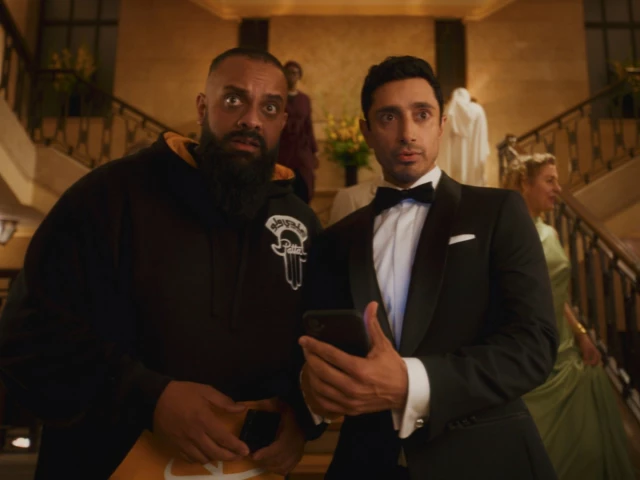

Language, Identity, and Humor: The Debate Around Riz Ahmed’s "Bait"
Riz Ahmed’s new Prime Video series, Bait, is garnering attention not just for its comedic elements but for the provocative discussions it has sparked about language and identity. In recent interviews, Ahmed and co-star Guz Khan discussed the contentious use of the term "Paki," which carries significant historical weight in the UK.
The series, which follows the journey of Shah Latif—a character navigating the highs and lows of auditions and fleeting fame—brilliantly encapsulates the struggles and vulnerabilities of ambition and identity in the entertainment industry. When Guz Khan commented on the term’s use as an endearing epithet within some South Asian communities, it bifurcated audiences. While many resonate with the sentiment of reclaiming language, others felt it risks normalizing something that has historically been derogatory.
Critics took to social media, echoing concerns that parallels might be drawn with the N-word’s reclamation within the African American community. Is it acceptable for people outside the affected community to use such terms? The conversation points to a larger question: Who gets to reclaim what? In this case, who gets to decide what language is acceptable, especially in comedy?
Ahmed emphasized that these discussions reflect an internal exploration of heritage and identity. He acknowledged that through humor, there’s an opportunity for introspection, challenging whether terms like "Paki" perpetuate internalized self-hatred or foster a sense of community empowerment.
Many viewers, however, expressed discomfort, arguing that normalizing such terms dilutes their impact and the historical context surrounding them. The feedback from the audience showcases the volatile nature of language within marginalized communities, and how powerful it can be when intertwined with culture and identity.
The discourse triggered by Bait reminds us that comedy can be a double-edged sword. While it can bring much-needed levity, it can also resurface deep-seated tensions and historical grievances.
As Ahmed and Khan navigate these nuanced discussions, they shine a light on the complexities of cultural representation in media. In a world where dialogue about identity is more critical than ever, their show serves as a reminder that language is not just a means of communication but also a tool of empowerment, reclamation, and at times, contention.
So, what do you think? Can derogatory terms be reclaimed, or do they remain forever tainted by their past? Let’s keep this conversation going! If you’re looking to connect deeper with themes of identity and representation, explore more at Pro21st, where we continue to discuss the intersection of culture and media.