
The Gul Plaza Tragedy: Reflections on a Devastating Fire
The recent fire at Gul Plaza in Karachi has left an indelible mark on the community, echoing the heart-wrenching memories of previous tragedies like the Baldia Factory disaster. For many affected, it’s not just about physical loss; it’s about the memories and livelihoods that have turned to ash.
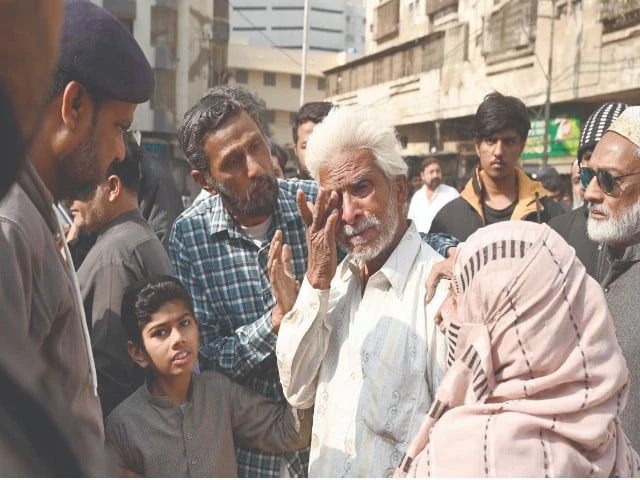
Survivors from the Plaza fire paint a grim picture. Witnesses reported that many emergency exits were locked, trapping victims inside when panic set in. As emotions ran high, family members mourned the loss of loved ones, and others lamented the years of hard work that were consumed by flames.
Investigations revealed an alarming reality — the building’s layout didn’t match its actual use. The basement, designed for parking, had been repurposed into shops, while parking was moved to the rooftop. In a chaotic escape, many shoppers were left frantically searching for a way out, only to find that exit routes were locked or obstructed.
One survivor, Ali Mehr, spoke about the disarray. "I helped some women get out, but my colleagues are still missing," he shared, a heaviness in his voice. Many of those who rushed to safety did so by breaking locked doors, a risky move that barely paid off.
Officials are now scrambling to understand what went wrong. During a meeting led by the Karachi commissioner, discussions centered around the need for improved safety regulations and emergency response protocols. Sadly, it appears that systemic issues might have contributed to this tragedy — the building lacked basic fire safety measures, including firefighting equipment and accessible emergency exits.
The ongoing rescue operations, however, face challenges. The building’s structural integrity has been compromised, and firefighters continue to battle rising temperatures and persistent smoke. The recovery of 28 bodies so far only adds to the grief, and there’s a growing fear that the toll may rise as the reconstruction efforts unfold.
Beyond the immediate aftermath, there are crucial lessons to learn from this disaster. The lack of proper safety measures and the apparent disregard for regulations are issues that need addressing. It prompts us to question: How can we prevent such tragedies in the future? Awareness, accountability, and strict enforcement of safety regulations are vital.
The community’s resilience shines through, as people rally together to support each other in this trying time. As we reflect on this tragedy, it’s essential to stay connected and informed. For those looking to delve deeper into safety measures and community support, Pro21st offers resources to foster awareness and advocacy. Together, we can create a safer environment for all.