
Balochistan’s Bold Step Against Child Marriage
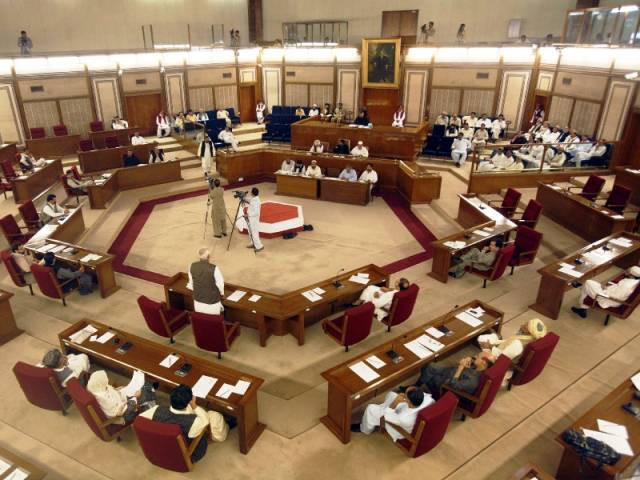
In a significant move to protect the rights of young girls, the Balochistan Assembly has passed the Child Marriages Restraint Act 2025. This new law is a game-changer, introducing strict penalties for anyone involved in child marriages, marking a serious commitment to combat this age-old practice.
What Does the Law Entail?
Under the new act, a child is defined as anyone under 18, and all child marriages are now illegal. This means that any adult male who contracts a child marriage—or anyone who facilitates such a marriage—faces two to three years of rigorous imprisonment, along with hefty fines ranging from Rs100,000 to Rs200,000. But that’s not all. Those who perform or promote these marriages will face similar penalties.
Additionally, Nikah Khawans, Nikah Registrars, and union council secretaries must now verify the Computerized National Identity Cards (CNICs) of both parties before solemnizing a marriage. Neglecting this responsibility can lead to a year in prison and fines of up to Rs100,000.
Strong Legal Framework
All offenses under this act are considered cognizable and non-bailable. This means that police can take immediate action without a warrant, making it a powerful tool against child marriage. The law also stipulates that if a child is coerced or trafficked into marriage, such unions are void. Even more importantly, any children born from these circumstances will be recognized legally, with maintenance responsibilities placed on the father.
Overruling Past Legalities
This act replaces the outdated Child Marriage Restraint Act of 1929, signaling a move away from colonial-era legislation. Although ongoing cases under the old law will continue, the provincial government is mandated to create detailed regulations within six months to ensure effective implementation of the new law.
Diverse Reactions
Not everyone is on board with this new legislation. Opposition lawmakers have argued that the bill allegedly contradicts Islamic law, leading to a significant debate within the assembly chambers. Chief Minister Sarfraz Bugti, however, emphasized that despite the dissent, the law reflects a democratic process designed for public welfare. He underscored the importance of extensive consultation during its formulation, aiming for a common consensus in lawmaking.
Critics from the opposition, including Younus Aziz Zehri, have expressed staunch disapproval, staging protests and walkouts during assembly discussions. They maintain that laws affecting societal norms should align closely with Islamic teachings.
Making a Difference
While this legislation is a promising step forward, the real change will depend on its implementation and the societal attitudes surrounding child marriage. In a region where such practices have been prevalent, education and awareness campaigns will be crucial in changing mindsets.
For those interested in staying updated on the impact of this law and its implementation, connecting with organizations dedicated to social reforms like Pro21st can provide valuable insights and resources. Together, we can foster a future where every child has the right to a safe and empowered childhood.
At Pro21st, we believe in sharing updates that matter.
Stay connected for more real conversations, fresh insights, and 21st-century perspectives.