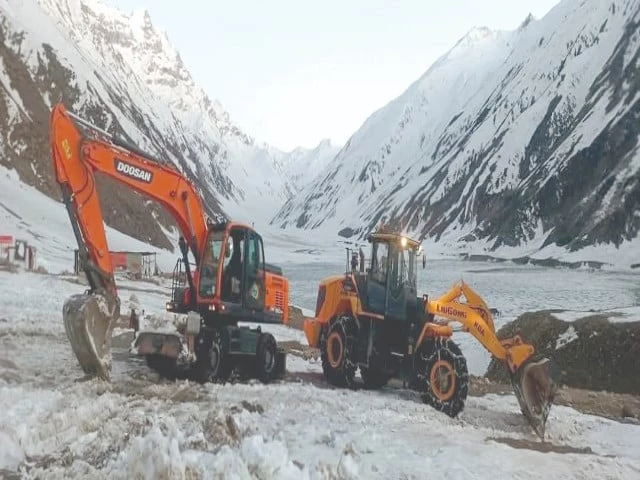

The Struggles of Balakot: Community Resilience Amidst Snow
As winter rolls in, the stunning landscapes of Balakot often transform into a picturesque wonderland. However, the recent heavy snowfall has revealed a darker side to this beauty, particularly in the village of Bhunja. Even ten days after the snow settled, many link roads remain blocked, creating significant challenges for the local community.
Imagine living in a place where a few feet of snow can cut you off from vital services. For residents of Bhunja, this has become a harsh reality. The administration’s failure to implement snow-clearing measures has left people facing dire circumstances. It’s not just about inconveniences; the situation has escalated to life-threatening levels. For families with sick elderly members or young children, the blocked roads force them into desperate measures. Local residents often resort to carrying patients on charpoys or even their shoulders over treacherous, icy paths. What should be a short trip to the hospital turns into a grueling journey that can take hours, all while risking serious injury.
Food supplies are dwindling, as the roads that typically facilitate transport are now impassable. Ilyas Khan, Chairman of the Village Council Bhunja, voiced the struggles of his community, noting that repeated pleas to the authorities have fallen on deaf ears. The link roads to Jabri and Bhangan remain blocked, intensifying the hardships faced by the residents. The images of villagers bearing the weight of their loved ones on makeshift stretchers poignantly underscore the helplessness that has taken root in the community.
In a society that prides itself on compassion and community, allowing roads to remain closed for ten days raises serious ethical concerns. It’s a powerful reminder of how quickly life can change – and how interconnected we all are. While beautifully captivating on the surface, Balakot is grappling with challenges that demand urgent attention and effective intervention.
The resilience of the community in the face of adversity is commendable. Their stories encourage us to advocate for better infrastructure and emergency plans that can withstand the seasonal challenges. If you’re interested in learning more about how communities can overcome these obstacles or how to support better connectivity and responsiveness, Pro21st is eager to connect you to initiatives that promote community welfare and safety.