Tensions Freeze Dealings Between Pakistan and Afghanistan: A Deep Dive into the Economic Impact
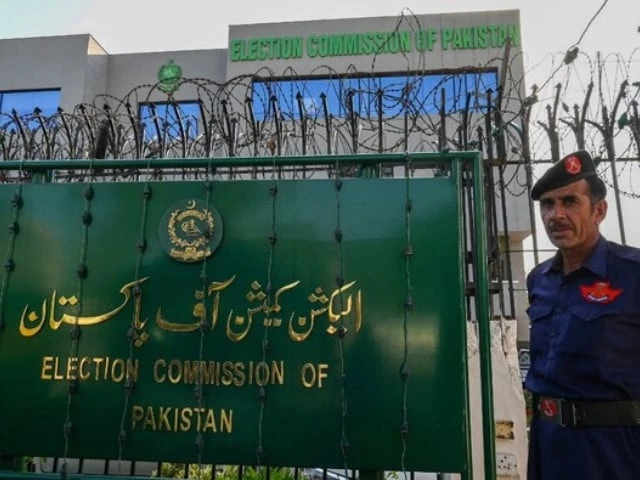
Tensions at the Pakistan-Afghanistan border have escalated dramatically, leading to a complete halt in trade since October 12. This ongoing standoff began with a conflict involving gunfire between Afghan forces and Pakistani troops, ultimately closing the major border crossings: Torkham, Kharlachi, Ghulam Khan, and Chaman. As a result, thousands of trucks are now stranded with goods, and the economic impact is staggering.
A Snapshot of the Border Situation
The closure has caused immense disruption for both countries. Security sources report that the border exchanges were unprovoked, leading to heightened military presence and heightened tensions that have paralyzed cross-border trade. The flow of goods has come to a grinding halt, creating chaos not just for businesses but also for everyday families depending on essential supplies.
Economic Fallout
The Federal Board of Revenue (FBR) has provided alarming data illustrating just how significant this disruption is. Each year, Pakistan imports goods worth approximately $566.766 million from Afghanistan, while exports to the country are valued at around $1.504 billion. Key exports like rice, textiles, and pharmaceuticals are now stuck at the border, which means many industries are risking financial losses.
Moreover, the government is losing millions daily in customs revenue, which underscores how crucial this trade is for both nations’ economies. Muhammad Yousaf Afridi, the President of the Khyber Chamber of Commerce and Industries, has candidly stated that Afghanistan represents one of Pakistan’s closest markets. He stressed that the shutdown of these trade routes has effectively frozen industrial activity nationwide.
Human Impact
The situation isn’t just a matter of economics; it has real-world consequences for families on both sides of the border. Thousands of refugees are stuck with their belongings as they wait for an uncertain future. Many rely on the commerce that flows through these border points for their livelihoods, and any delay exacerbates the already precarious situation many face.
Looking Ahead
As both nations navigate this complex landscape of diplomacy, it’s crucial for stakeholders to find a way to promote peace and resume trade. The ongoing tensions not only harm economic relations but also risk escalating the human suffering felt along the border.
In these times of uncertainty, communities can benefit from staying informed about developments and exploring new avenues for cross-border cooperation. If you’re interested in engaging with businesses that focus on rebuilding economic ties or simply want to stay updated, consider exploring resources like Pro21st.
By opening channels for dialogue and understanding, we can work towards a more stable economic future for both Pakistan and Afghanistan. It starts with awareness and a commitment to fostering better relations, ensuring that both nations can thrive together.
At Pro21st, we believe in sharing updates that matter.
Stay connected for more real conversations, fresh insights, and 21st-century perspectives.