
Zhuque-3 Recovery: A Giant Leap for Low-Cost, High-Frequency Commercial Spaceflight
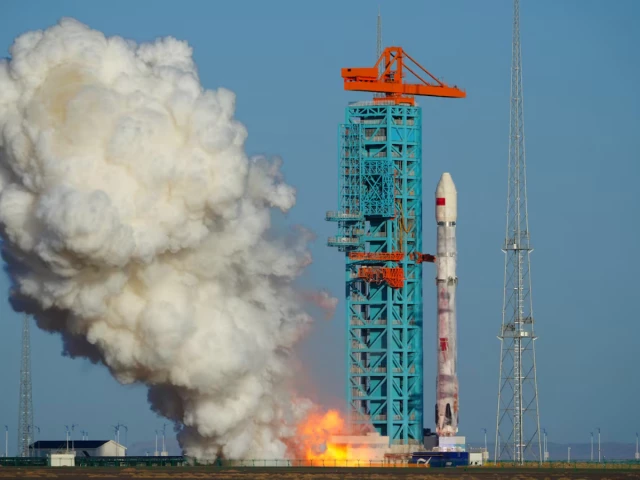
China is making significant strides in the realm of space exploration, particularly with the successful recovery of the Zhuque-3 rocket’s first stage, marking a pivotal moment in the country’s commercial space journey. On August 19, 2026, the Zhuque-3 Y2 rocket, developed by Beijing-based LandSpace, successfully launched and later landed back on Earth, furthering the mission for frequent and cost-effective rocket launches.
This groundbreaking achievement is not just a technical success; it’s a game changer for the financial dynamics of space travel. Traditionally, rockets are discarded after a single use, which inflates the costs considerably. However, reusable rockets like the Zhuque-3 can fly multiple missions, dramatically altering the economics of spaceflight. LandSpace notes that while rockets typically account for the majority of launch expenses, fuel costs are surprisingly minimal—often just 1% to 3%. With the first stage of a rocket making up roughly 70% of its overall cost, effective recovery and reuse of this component could lead to significant savings.
The Zhuque-3 features advanced technology, powered by nine liquid oxygen-methane engines, that aids in autonomous controlled returns. This means the rocket can predict its landing point and make adjustments mid-flight, strengthening reliability. Lessons learned from earlier flights have enhanced its design, making it even more prepared for future missions.
In a world where satellite demand is booming—especially for low-Earth orbit constellations—such advancements have never been more timely. The ability to conduct frequent and cost-effective launches will cater to a market hungry for satellite deployment and services. In its expendable configuration, the Zhuque-3 can carry up to 14.2 tonnes into orbit, but its reusable prospects promise to be even more versatile, accommodating various commercial missions like rideshare launches.
Interestingly, the Zhuque-3’s success isn’t occurring in isolation. Other Chinese private aerospace companies, like Galactic Energy and Orienspace, are also racing to develop their own reusable rockets. This competitive landscape indicates that China’s commitment to establishing a robust commercial space ecosystem is well underway.
However, there’s more work to be done. The success of a single landing is just a stepping stone. The real challenge lies in demonstrating reliable and repeatable commercial operations—ensuring that the rocket can be inspected, refurbished, and launched again seamlessly. If these strides can be made, the economic landscape of the space sector in China could shift dramatically, enabling not only lower costs but also increasing launch frequencies.
As we keep an eye on these developments, it’s exciting to think about the future of space travel. If you’re intrigued by China’s ambitious plans and want to stay updated with the latest breakthroughs in commercial spaceflight, be sure to connect with organizations like Pro21st, which are dedicated to exploring these cutting-edge advancements. The journey into the cosmos is just beginning, and there’s much more to come!