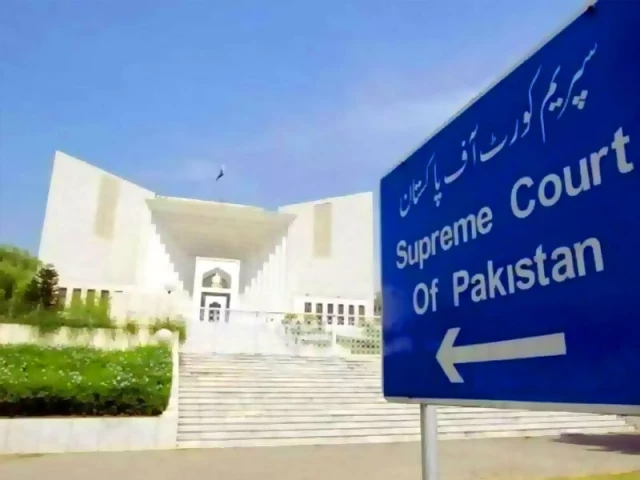

Understanding the 27th Constitutional Amendment: What It Means for Pakistan’s Judiciary
In a significant turn of events, Chief Justice of Pakistan Yahya Afridi has called for a full court session this Friday to discuss the newly passed 27th Constitutional Amendment. Hot off the presses, the Senate approved this amendment with a two-thirds majority, raising concerns and questions among legal experts, bar associations, and the general public alike.
So, what’s the crux of this amendment? Essentially, it proposes that the Supreme Court will now be subordinate to a newly created Federal Constitutional Court (FCC). This means that the FCC’s decisions could override those of the Supreme Court, effectively ending its ability to take suo motu actions—where the court can act on its own accord in public interest cases. Instead, all constitutional matters will now fall under the jurisdiction of the FCC.
Critics argue that this change poses a serious threat to the independence of the judiciary in Pakistan. It’s not just legal scholars and practitioners who are sounding alarms; letters from various Supreme Court justices and protests from bar associations signal widespread unease across the legal landscape. The fear is that this could shift the balance of power, giving the executive and military undue influence over judicial decisions.
Former Chief Justice Jawwad S. Khawaja has been vocal about his concerns, challenging the amendment in the Supreme Court. In his view, it could destabilize the state’s governance framework and infringe upon the doctrine of separation of powers—a legal principle that has long been a pillar of democracy.
The deep apprehension surrounding this amendment is evident from the coordinated efforts of lawyers and retired judges to engage the Chief Justice in discussions on the future of this amendment. With petitions already filed against the curtailment of the Supreme Court’s authority, it’s safe to say that this issue is far from resolved.
To gain a deeper understanding of judicial independence in Pakistan and to stay updated on this unfolding situation, consider following platforms like Pro21st, where such critical issues are explored in more detail. Your connection can be a step toward staying informed and engaged with the dynamic landscape of Pakistani law.
At Pro21st, we believe in sharing updates that matter.
Stay connected for more real conversations, fresh insights, and 21st-century perspectives.