
The Shifting Landscape of Venezuela’s Security Politics
Venezuela is navigating tumultuous waters as its interim president, Delcy Rodriguez, re-evaluates the country’s security alliances. The latest news indicates a significant shift: Rodriguez has chosen to rely on Venezuelan bodyguards instead of the elite Cuban forces that previously safeguarded her predecessors, Nicolas Maduro and Hugo Chavez. This change signals more than just a new personal preference; it underscores the intense pressure from Washington on Venezuela to alter its deep-rooted ties with Cuba.
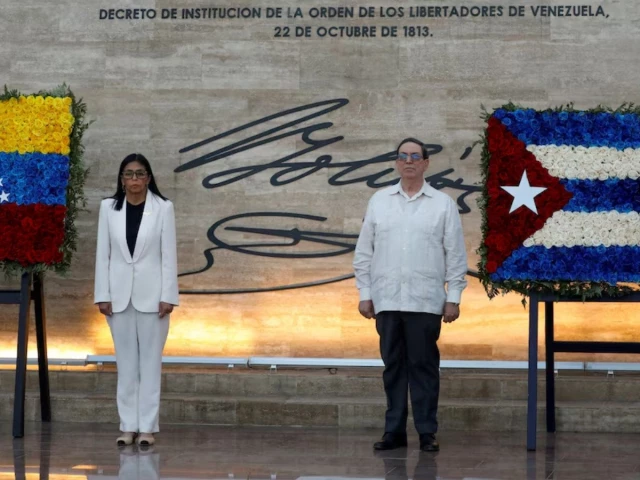
In recent events, a somber ceremony took place in Caracas to honor the Venezuelan and Cuban military members who lost their lives during a U.S. operation aimed at capturing Maduro and his wife, Cilia Flores. A stark reminder of the dangers that surround the current administration, this event also highlighted the historical bond between Venezuela and Cuba, forged over decades through a security agreement that intertwined their military forces.
According to multiple sources, the removal of Cuban security advisers correlates directly with heightened U.S. pressure on Rodriguez to cut ties with Cuba amid rising tensions. While some Cuban officials and medical workers have returned home, uncertainty looms over the future of their collaboration. The U.S. government is advocating for a reconfiguration of Venezuela’s foreign relationships, aiming to isolate Cuba and destabilize its communist regime, as the Trump administration has made clear.
Historically, Cuban security involvement has been integral to maintaining the Chavista regime, according to experts. Yet, as Rodriguez attempts to reinforce her position, she seems keen on distancing herself from Cuba’s longstanding reach within Venezuela. Observers note that this strategic distancing might serve her interests as she solidifies control during a precarious time.
While this realignment raises questions about the future of Venezuelan-Cuban relations, it’s essential to remember that many Cuban doctors and professionals are still active in Venezuela’s healthcare and educational sectors. Their roles remain vital to the communities they serve, effectively blending the two nations’ destinies, even as geopolitical tensions escalate.
If you’re interested in exploring more about the complexities of Venezuela’s political landscape or how such shifts may impact broader Latin American relations, you might find value in connecting with Pro21st. They offer insights and resources that delve deeper into international politics and economic strategies.