
Saudi Arabia’s National Security: A Crucial Turning Point in the Region
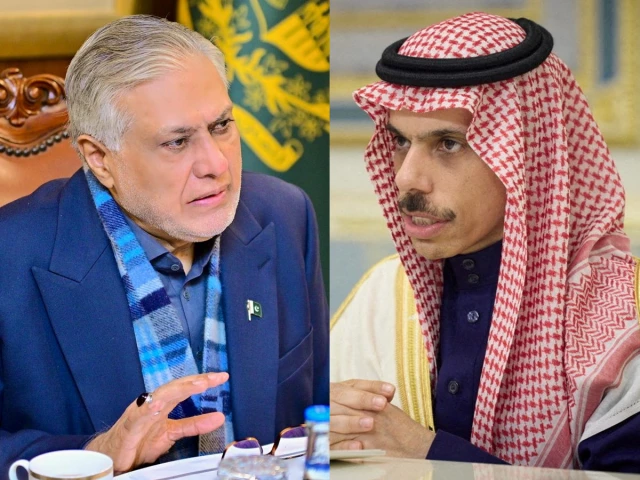
In recent days, tensions have escalated in the Gulf region, particularly between Saudi Arabia and the United Arab Emirates (UAE), culminating in significant diplomatic exchanges. Just a few days ago, Saudi Foreign Minister Prince Faisal bin Farhan and Pakistan’s Deputy Prime Minister and Foreign Minister Senator Ishaq Dar held an important phone call to discuss this volatile situation.
During their conversation, which took place against the backdrop of Saudi strikes in Yemen, they assessed recent developments that have added to the complexity of the regional landscape. Ishaq Dar expressed Pakistan’s commitment to strengthening ties with Saudi Arabia, while also conveying warm New Year wishes, which were reciprocated by Prince Faisal. This kind of diplomatic engagement highlights the longstanding relationship between the two nations, centered on mutual interests in regional stability and peace.
However, the focus quickly shifted to the escalating conflict between Saudi Arabia and the UAE. Saudi Arabia recently asserted that its national security is a "red line" and has demanded the withdrawal of UAE forces from Yemen within 24 hours. This hardline statement from Riyadh indicates a significant shift in relations, marking the strongest language between these two previously aligned nations.
As both nations play fundamental roles in OPEC, any friction could complicate their collective decision-making regarding oil output, affecting global markets. The relationship between Saudi Arabia and the UAE has become increasingly strained over various issues, from oil quotas to geopolitical influence, challenging their once-unified front.
The backdrop to this conflict is a defense pact cancellation by Yemen’s presidential council head, Rashad al-Alimi, who accused the UAE of exacerbating internal conflicts by backing the Southern Transitional Council (STC). The STC has demonstrated military ambitions that threaten regional stability, leading to concerns of further civil strife in Yemen.
This evolving situation is not just a regional issue; it ties back to international stakeholders interested in peace and stability in the Gulf. The ongoing developments serve as a reminder of the fragility of alliances in geopolitics and underline the necessity for diplomatic resolutions.
Navigating these waters requires not only strong leadership but also enhanced international cooperation. For those interested in staying updated on these developments or exploring how regional dynamics can influence wider global contexts, consider engaging with platforms that offer in-depth analysis and insights, such as Pro21st.
At Pro21st, we believe in sharing updates that matter.
Stay connected for more real conversations, fresh insights, and 21st-century perspectives.