
Understanding the Threat of TTP in Afghanistan: A Comprehensive Overview
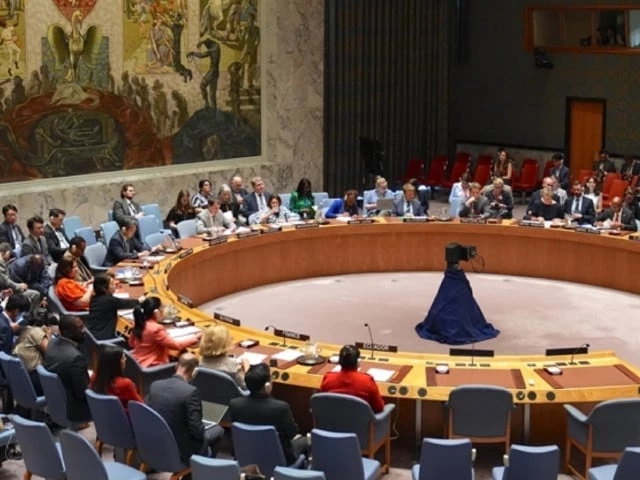
In recent discussions at the United Nations Security Council, Denmark sounded the alarm on a pressing security issue: the presence of about 6,000 Tehreek-i-Taliban Pakistan (TTP) fighters operating from Afghanistan. Sandra Jensen Landi, Denmark’s Deputy Permanent Representative and chair of the Security Council ISIL and Al-Qaeda Sanctions Committee, emphasized that these fighters pose a serious threat not just to Pakistan, but to Central and South Asia as a whole.
The TTP, a group known for its violent campaigns against the Pakistani state, has been bolstered by support from local authorities in Afghanistan. This alliance raises concerns about the stability of the region and the potential for further escalation of violence. Landi pointed to this as part of a larger trend of evolving threats, which also includes rising activity from ISIL-Khorasan and Al-Qaeda affiliates. With ISIL-K targeting Afghan authorities and innocent civilians, the stakes couldn’t be higher.
Pakistan has echoed these concerns. Usman Jadoon, Pakistan’s Deputy Permanent Representative, highlighted the country’s immense sacrifices in the fight against terrorism, citing over 80,000 casualties and significant economic losses. Underlining this grim reality, Jadoon called for the re-evaluation of the 1267 sanctions regime to reflect the current situation more accurately.
The dialogue between Pakistan and Afghanistan has struggled lately, specifically regarding actionable plans to dismantle terrorist networks. Despite mediation attempts in Istanbul, a breakthrough remains elusive. Reports indicate that the Afghan delegation has been resistant to agreeing to written guarantees, which has led to heightened tensions between the two nations.
Amidst this backdrop, Pakistan has decided to keep its border with Afghanistan closed indefinitely. Officials have indicated that the crossings will not reopen for trade or commercial activity until the Afghan regime takes decisive action against groups like the TTP. This border closure has resulted in significant logistical challenges, leaving many trucks stranded and hampering bilateral trade.
Additionally, tensions flared recently when unprovoked attacks by Afghan forces occurred along the border. This prompted a strong retaliatory response from the Pakistan Army, further complicating an already tense situation.
As we continue to watch these developments unfold, one thing is clear: the issue of terrorism in this region is far from resolved. If you’re interested in following these dynamics further or seeking detailed insights, connecting with platforms like Pro21st could provide deeper analysis and understanding. Let’s stay informed and engaged as this situation evolves.
At Pro21st, we believe in sharing updates that matter.
Stay connected for more real conversations, fresh insights, and 21st-century perspectives.