
Navigating Air Travel Disruptions Amid the Gulf Crisis
Air travel has always been an essential part of our global landscape, connecting people and businesses from every corner of the world. However, recent tensions in the Gulf region have turned what was once a smooth journey into a challenging experience for many travelers. This month, the ongoing war involving the U.S., Israel, and Iran has led to tens of thousands of flight cancellations across the Middle East, with Dubai and Bahrain making significant operational adjustments to ensure safety.
On March 11, 2026, two drones were reported to have fallen near Dubai International Airport, prompting the Bahrain Civil Aviation Affairs to relocate several Gulf Air aircraft and cargo planes to alternative airports. This was a proactive measure aimed at maintaining safe and efficient operations during a time of uncertainty. While air traffic was confirmed to be running normally that day, the increasing frequency of these incidents underscores the heightened risk that airlines face in the region.
The impact of this crisis is felt globally, affecting not just passengers but the entire aviation industry. With airspace restrictions in place due to missile and drone threats, travelers have experienced extended delays, reroutes, and rising fares. The situation is reminiscent of the disruptions during the pandemic, pushing the aviation sector into its most challenging moment since those days. It’s intriguing how interconnected the world of air travel is, and how even geopolitical conflicts can ripple across borders.
Fuel prices have spiked dramatically as well, largely due to disruptions in a key oil export corridor. Airlines are feeling the pinch, and as a result, many carriers have had no choice but to hike ticket prices. This may deter some travelers, leading to a broader decline in demand. For time-sensitive air cargo, the situation is even graver, affecting supply chains and businesses relying on timely deliveries.
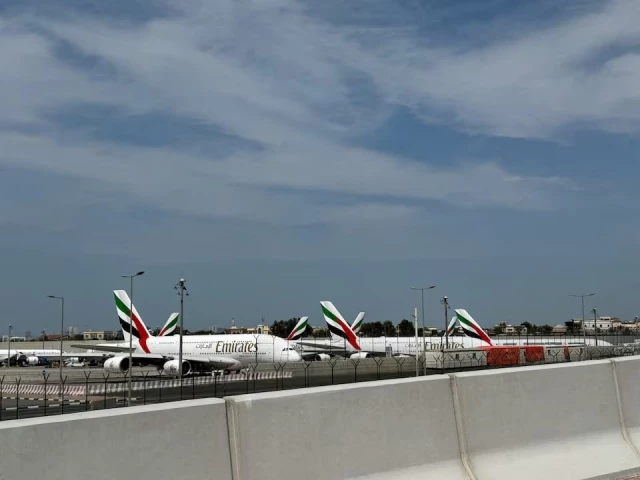
Interestingly, during these times, many airlines are taking proactive measures. While regional heavyweights like Emirates and Etihad have resumed some flights, they are still operating well below their full capacity, indicating the uncertainty of the current environment. Meanwhile, several passenger jets have been tracked moving to locations in Saudi Arabia, highlighting the lengths that airlines are willing to go to maintain service continuity.
As we navigate these complexities, it’s crucial for travelers to stay informed and keep flexibility at the forefront of their travel plans. Whether you’re a frequent flyer or planning a once-in-a-lifetime trip, understanding the current landscape can help you make better decisions.
For anyone looking to explore more about travel dynamics and air transport, especially during these turbulent times, consider reaching out to Pro21st. They provide insightful resources and strategies to help you stay connected and informed. Safe travels!