
India’s Fight Against Doping: A True Test of Spirit
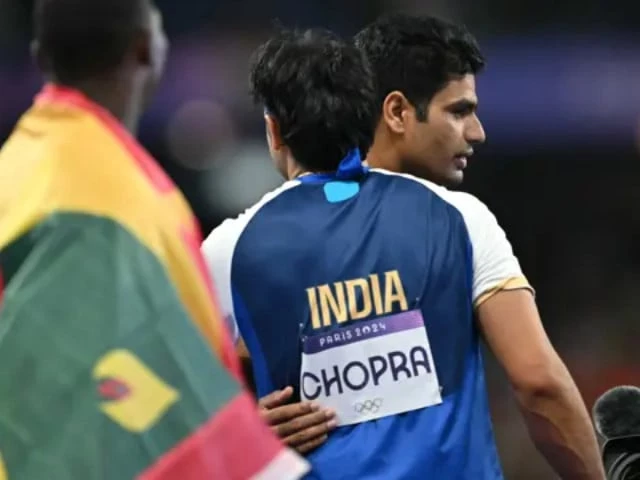
In recent years, Indian sports have found themselves grappling with a nagging issue: doping. As the nation eyes an ambitious bid to host the 2036 Olympics, this challenge could overshadow its aspirations. High-profile athletes like javelin champion Neeraj Chopra have openly acknowledged the doping problem, emphasizing the need for athletes to focus on proper nutrition, recovery, and hard work instead of taking shortcuts through performance enhancers.
The International Olympic Committee (IOC) has raised flags about India’s doping problems, pushing the Indian Olympic Association (IOA) to form a new anti-doping panel. This comes alongside the government’s recent efforts to tighten regulations through a national anti-doping bill that aims to enhance enforcement and testing practices. Despite these measures, India has been labeled one of the worst offenders by the World Anti-Doping Agency (WADA), with a staggering number of positive tests linked to banned substances like stanozolol.
The underlying motivation for doping among some Indian athletes is often steeped in desperation. Success in sports can lead to lucrative government jobs, which offer a safety net and financial security—a huge allure in a country where many strive to transcend poverty. This pressure can drive athletes to take significant risks, sometimes under the misguided guidance of coaches.
Athletics currently tops the list of doping violations in India, which has also seen multiple wrestling athletes banned for similar offenses. Some athletes might unknowingly consume banned substances through supplements or medications, while others may choose to ignore the risks involved.
While the IOC undoubtedly wants hosts with a robust anti-doping framework, as former IOC marketing director Michael Payne noted, India must also build trust in its overall operational capabilities. Memories of the corruption-plagued 2010 Commonwealth Games still linger, posing an even bigger challenge for the country’s Olympic bid.
As India strives to wipe the slate clean, there’s hope that enhanced governance and a commitment to ethical sportsmanship will pave the way for a brighter, more honest future. By fostering a culture of integrity and running effective anti-doping campaigns, India might not only improve its image but also inspire the next generation of athletes.
If you’d like to be a part of the conversation on sports integrity and find more insights, join us at Pro21st!