
The Election Commission of Pakistan: A Deep Dive into Gohar Ali Khan’s Chairpersonship Denial
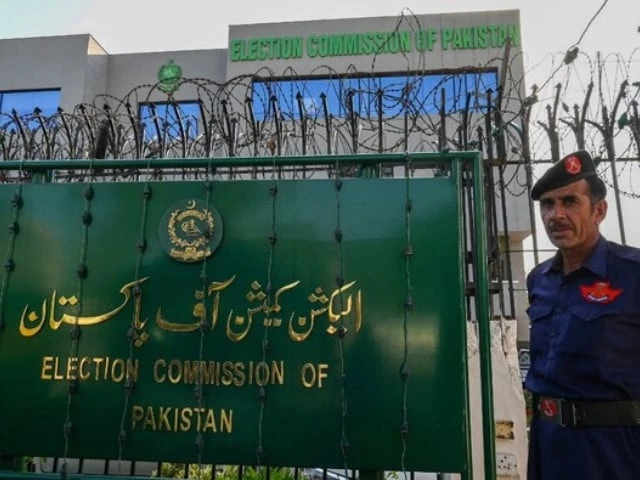
On September 21, 2023, a security guard stood watch outside the Election Commission of Pakistan (ECP) in Islamabad, unaware of the stirring political battles unfolding within. Just days prior, the ECP announced it would not recognize Barrister Gohar Ali Khan as the chairperson of the Pakistan Tehreek-e-Insaf (PTI). This decision has sent waves through the political landscape, prompting many to question the implications for the party and its future.
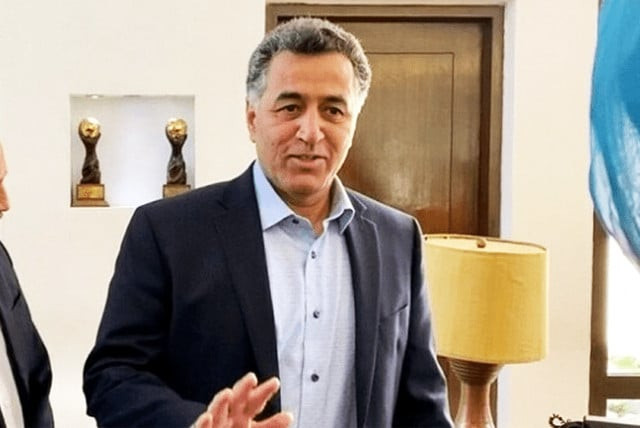
Gohar had submitted a letter on November 13, requesting the ECP acknowledge independent senators’ affiliation with PTI. However, the ECP responded by stating that PTI’s internal elections are still under scrutiny, especially as a stay order from the Lahore High Court (LHC) has put proceedings on hold. Essentially, the ECP clarified that Gohar’s position lacks the necessary legal backing to be recognized officially.
Fast forward to January 13, 2024, when a three-member Supreme Court (SC) bench upheld the ECP’s December 22, 2023, ruling, rendering the PTI’s intra-party elections invalid. As a result, candidates had to run in the general elections on February 8, 2024, as independents. This development highlighted a crucial turning point for PTI, affecting its representation in the National Assembly.
What ensued was more complex. Eighty independent candidates managed to secure seats in the National Assembly and sought to affiliate with the newly formed SIC (Special Interest Coalition). However, the ECP remained firm in refusing to allocate reserved seats to the party. These political maneuvers reveal a strategic undercurrent in Pakistan’s evolving landscape, raising questions about party legitimacy and affiliations.
In a twist, on July 12, 2024, a full SC bench reinstated PTI’s status as a parliamentary party, noting that many lawmakers had already claimed affiliation with PTI during their election nominations. The court directed the remaining lawmakers to formally submit their affiliations within 15 days. However, the ruling coalition responded with a review petition against this decision, which the Constitutional Bench began to address in May.
So, what’s next for the PTI? With ongoing legal battles and shifting allegiances, the future remains uncertain. Discussions around political representation, party integrity, and legal authority are more critical than ever in these times.
If you’re interested in staying informed about the latest developments in Pakistan’s political arena, connecting with platforms like Pro21st could be beneficial. They provide insights and analysis that can help make sense of the changing landscape. Stay tuned, and keep the conversation going!
At Pro21st, we believe in sharing updates that matter.
Stay connected for more real conversations, fresh insights, and 21st-century perspectives.