
Upcoming Local Government Elections in Punjab: What You Need to Know
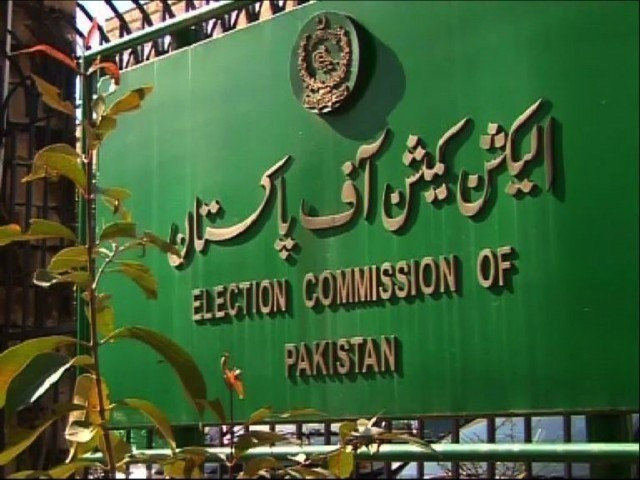
The political landscape in Punjab is buzzing with activity as the Election Commission of Pakistan (ECP) has recently announced a critical deadline for the provincial government regarding local government elections. On Wednesday, the ECP granted the Punjab government a four-week extension to finalize new delimitations, creating optimism about smoother electoral processes ahead.
In a letter to the Punjab chief secretary, the ECP confirmed this extension following a formal request from the provincial administration. However, this comes with a caveat: if the boundaries aren’t finalized within the allotted time, the ECP will step in directly to handle the matter. This proactive approach by the ECP emphasizes its commitment to ensuring timely and transparent elections.
But why is delimitation so essential? The newly passed Punjab Local Government Act 2025 requires the redrawing of constituency boundaries before elections can occur. This is crucial for accurately representing the population and ensuring that every voice counts in the political arena. The previous delimitation schedule issued back on October 9 has officially been withdrawn, making way for this fresh start.
As voters, it’s important to keep abreast of these developments. Changes in constituency boundaries can impact how your local representatives are elected, ultimately affecting the governance you experience in your community. Engaging in the electoral process is vital, not only for your rights but also for the future of your locality.
If you’re keen to stay informed about the latest political developments in Pakistan or need assistance navigating the local government landscape, consider connecting with Pro21st. They provide valuable insights and resources that can help you be an active participant in your community’s governance. Stay engaged, stay informed, and make your voice heard!
At Pro21st, we believe in sharing updates that matter.
Stay connected for more real conversations, fresh insights, and 21st-century perspectives.