
Understanding the Recent Parliamentary Suspensions in Pakistan
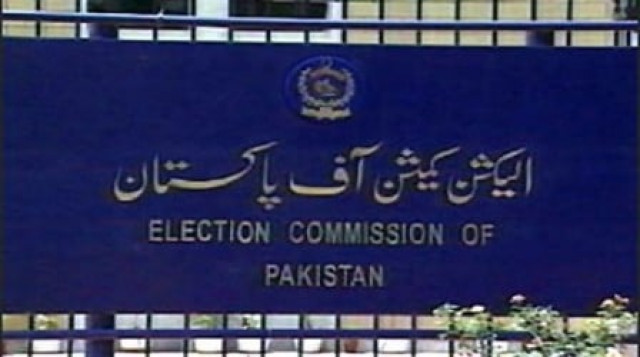
In a significant move, the Election Commission of Pakistan (ECP) has suspended 159 members from various assemblies for not submitting their annual statements of assets and liabilities. This decision affects a diverse range of assembly members—from the National Assembly to provincial assemblies across Punjab, Sindh, Khyber Pakhtunkhwa, and Balochistan. Among those suspended are notable political figures like Sardar Akhtar Mengal and Khalid Maqbool Siddiqui, adding weight to this development.
So, what does this really mean? First, let’s break it down. The ECP requires all elected officials to provide transparency regarding their financial standing. This isn’t just a formality; it’s a basic accountability measure. When members fail to submit these statements, they face automatic suspension, as we’ve seen in recent happenings. Currently, 32 members from the National Assembly and many more from provincial assemblies can’t partake in legislative discussions or votes until they fulfill this obligation.
National Assembly Speaker Ayaz Sadiq has strongly guided suspended members to exit the House, emphasizing that their attendance won’t be acknowledged until their memberships are reinstated. This reinforces the ECP’s stance on maintaining discipline and accountability among elected representatives.
The range of suspended members is quite broad, affecting not just individual political careers but also the effectiveness of their respective parties in the legislative process. Figures such as Syed Abdul Qadir Gilani, Ali Musa Gilani, and prominent members from the Sindh Assembly have found themselves sidelined in this critical period.
This could also lead to conversations about political reform and governance. If members are held accountable for their financial disclosures, it could foster a culture of transparency in governance, which benefits the public. Fostering good governance is essential for democratic integrity, and measures like these are steps toward a cleaner political environment in Pakistan.
In summary, these suspensions serve as a wake-up call for lawmakers on the importance of transparency and accountability in politics. For anyone wanting to stay informed and connected about such developments, consider engaging with platforms like Pro21st, where discussions on accountability and governance continue to thrive.
At Pro21st, we believe in sharing updates that matter.
Stay connected for more real conversations, fresh insights, and 21st-century perspectives.