
Addressing the Alarm: Economic Decline and Political Woes in Pakistan
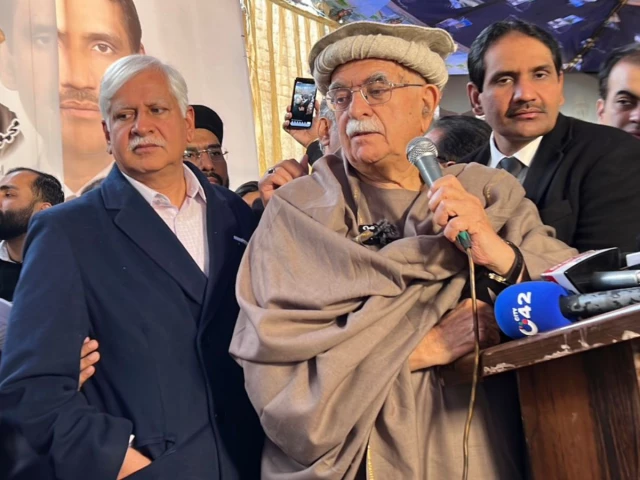
In recent weeks, opposition leaders in Pakistan have been raising their voices about the dire economic situation and the erosion of democratic norms. During a press conference at the Karachi Press Club, PTI Central Secretary General Salman Akram Raja delivered a heartfelt message about the nation’s struggles. “The day the nation decides it will no longer accept a life of subjugation, this oppression will automatically come to an end,” he stated, capturing the essence of the current sentiment among many citizens.
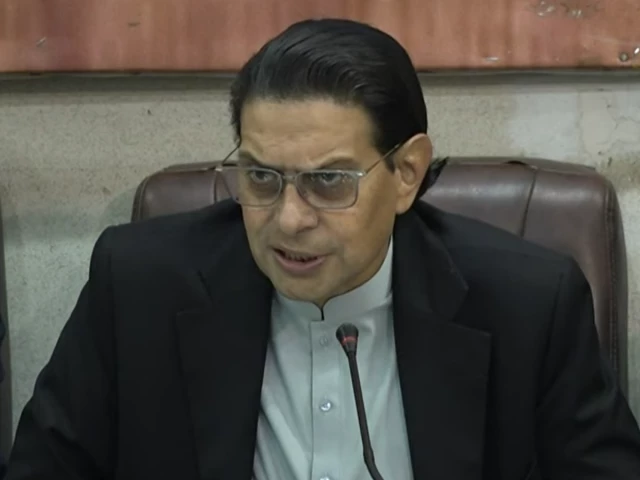
Mohammad Zubair, a former governor of Sindh, echoed concerns over the government’s claims of economic stability. His observations were stark: surveys indicated that around 80% of the population reported a decline in their quality of life, with skyrocketing inflation forcing families to cut back on basic necessities like food. The urban middle class, in particular, has felt the squeeze, with income and living standards plunging for a significant portion.
Critiquing the government’s actions, Zubair questioned what achievements could be highlighted amid such widespread hardship. The lack of investor confidence stems from perceived instability, with foreign investments plummeting due to the absence of rule of law. Zubair pointed out that trust needs to be rebuilt, especially when even local investors are demanding international arbitration rights.
When it comes to financial stability, the statistics tell a grim story. Foreign exchange reserves, once over $17 billion, have dwindled to just $2.9 billion, raising alarms about a potential default. The opposition has repeatedly flagged these issues, holding Prime Minister Shehbaz Sharif accountable for missed promises to rejuvenate the economy.
Moreover, concerns around corruption persist, with Zubair calling for transparency about the National Accountability Bureau’s recovery claims. With several major scandals involving wheat and sugar, the pressure for accountability grows.
In the face of political repression, Raja condemned the obstacles placed in the way of public rallies, stating that despite government interference, the voice of the people must prevail. He articulated the urgent need for accountability for those who have undermined state institutions and reinforced the significance of Article 15 of the Constitution, which guarantees freedom of movement.
This conversation about economic decline, rampant poverty, and the erosion of democracy is a crucial one. As citizens, it’s imperative to stay informed and engaged in these discussions. If you’re looking for more insights and community engagement, consider exploring Pro21st, a platform dedicated to amplifying voices and fostering discussions that matter to all of us. Let’s work together to create a brighter future.
At Pro21st, we believe in sharing updates that matter.
Stay connected for more real conversations, fresh insights, and 21st-century perspectives.