
The Shifting Landscape of Pakistan’s Political Accountability: Senator Faisal Vawda’s Insights
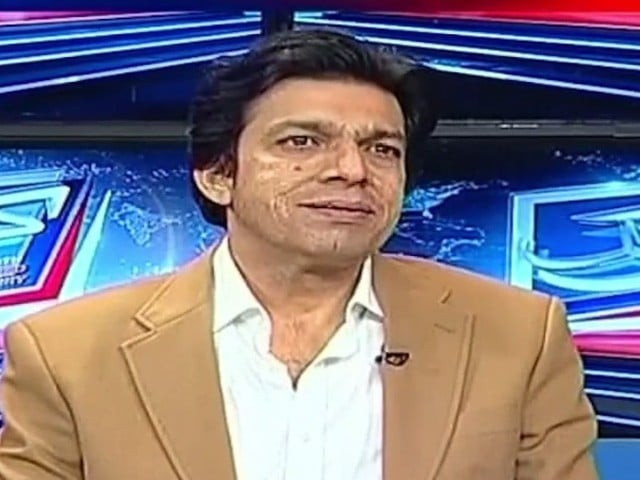
Senator Faisal Vawda recently made waves with his comments regarding the conviction of former Inter-Services Intelligence (ISI) chief Faiz Hameed, stating it’s just the beginning of a broader accountability movement in Pakistan. In a striking post on X, Vawda remarked that Hameed’s 14-year sentence is a significant development and that the ex-spymaster is now providing evidence against former Prime Minister Imran Khan and others related to the May 9 protests. For many, this signals a decisive turn in political accountability within Pakistan.
Vawda’s sentiments echo a growing sentiment among political observers. As he puts it, "the foundation of justice has been laid," a notion that resonates deeply at a time when many feel the country is at a pivotal crossroads. His reflections on how Hameed’s conviction pertains solely to one case emphasize that there are still many more trials on the horizon linked to the May 9 events, which rocked the nation.
In his remarks, the senator stressed that individuals involved in the May 9 violence, including some PTI members who have seemingly faded into the background, will not escape scrutiny. His historical perspective on his own expulsion from PTI further sheds light on the internal conflicts within political circles concerning this tumultuous period. By declaring that “there would be no return” once the May 9 path was chosen, Vawda underscores the sense of irreversible consequence that certain political maneuvers can yield.
Vawda also praised army chief Gen. Asim Munir, igniting discussions about a new era of accountability and justice. His assertion that “no general, no judge and no political leader is greater than Pakistan” reflects a powerful nationalistic sentiment, suggesting that the country’s welfare should always take precedence over individual ambitions.
However, it’s the aftermath of the May 9 protests that could serve as a wake-up call for political parties, especially PTI. Vawda’s warning that the party’s future is “written on the wall” alludes to the potential for a shift in political dynamics, increasingly focusing on accountability and responsibility. The senator’s comments about the “destruction” caused by the protests highlight the urgent need for healing and rebuilding trust within various societal structures, including the judiciary and democratic processes.
As this narrative unfolds, it becomes clear that accountability isn’t just a buzzword; it’s a necessary part of moving forward collectively. Whether you agree or disagree with Vawda’s views, they certainly reflect a growing call for transparency and reform in Pakistan’s political landscape.
Ultimately, as Pakistan navigates through these turbulent waters, it’s crucial for citizens to stay informed and engaged. Maintaining a dialogue about these issues, including potential impacts on governance and civil rights, is essential for fostering a more accountable political environment.
For those looking to deepen their understanding of political developments in Pakistan, and how they might resonate on a larger scale, platforms like Pro21st can provide valuable insights and discussions. Stay connected and informed as this important narrative continues to evolve.
At Pro21st, we believe in sharing updates that matter.
Stay connected for more real conversations, fresh insights, and 21st-century perspectives.