
FBI’s New Cooperation Efforts: A Shift in Strategy for Combating Transnational Crime
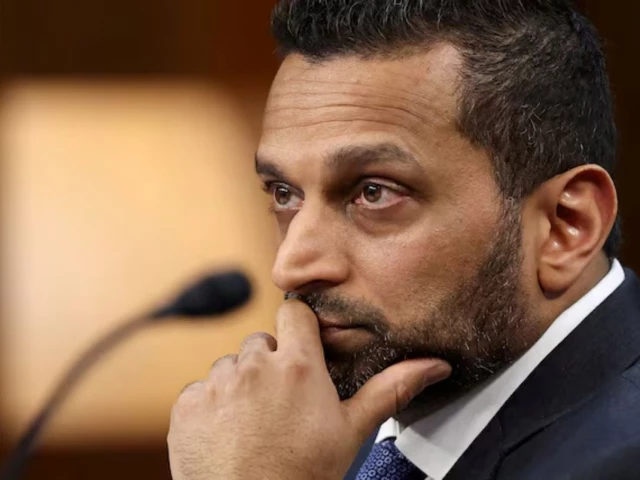
In a significant move that has raised eyebrows and sparked discussions, FBI Director Kash Patel recently testified about the agency’s evolving partnerships with traditional rivals, China and Russia. This marks a notable pivot in how the FBI approaches the fight against transnational crime, specifically addressing critical issues like cyber fraud, child exploitation, and narcotics trafficking.
During his testimony before the Senate Intelligence Committee, Patel highlighted that these new law enforcement partnerships have been in the works over the past year. The collaboration involves personnel exchanges, with Chinese law enforcement officials visiting the U.S. while FBI agents travel to China to tackle specific crime cases together. This joint effort even includes coordinated raids and arrests, which Patel emphasized as a selective focus on certain serious crimes, rather than a broad alliance.
One major success highlighted was "Operation Sand Dollar," where the FBI collaborated with Chinese and Dubai authorities to bust a massive cyber scam operation in Dubai, resulting in significant arrests and a considerable amount of money seized. This operation is just one example of how increased intelligence sharing can yield tangible results in fighting crime that crosses international borders.
Despite the apparent benefits, Patel’s approach has raised concerns within the counterintelligence community. Critics point out that sharing sensitive domestic security information with authoritarian regimes carries substantial risks. Former FBI agents have voiced worries about allowing these countries access to American intelligence networks, arguing it could lead to exploitation or infiltration.
Yet, Patel insists that these relationships, while daunting, can be managed carefully, arguing that they present a unique opportunity to achieve meaningful wins for America amid an ever-evolving global threat landscape. He emphasized that existing alliances, like the "Five Eyes" intelligence partnership with Canada, Australia, Britain, and New Zealand, will always remain the cornerstone of American intelligence strategy.
What does this shift mean for the future? While the dynamics are complex, cooperation on pressing issues like fentanyl trafficking and child exploitation can potentially save lives. As Patel puts it, they are "not trying to replace" traditional allies but are rather exploring new pathways for achieving shared goals against common adversaries.
It’s important to stay informed about such developments, as they not only affect law enforcement but also the safety and security of our communities. For those who want to dive deeper into this subject or explore related content, platforms like Pro21st offer valuable insights and resources. Engaging with this content can help you understand the broader implications of these partnerships and what they mean for us all.