
Understanding the Federal Constitutional Court’s Recent Decision
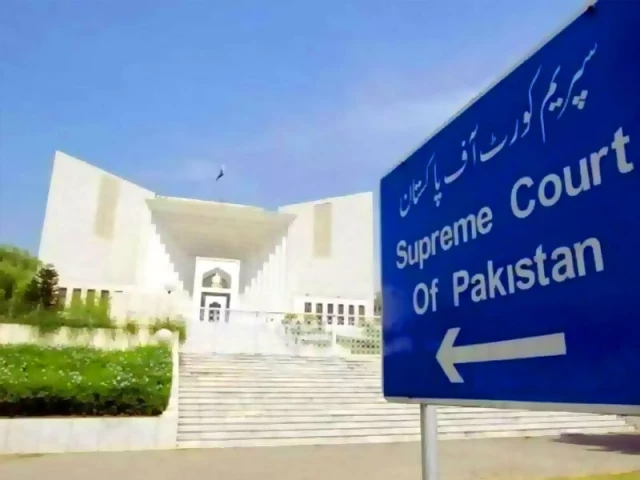
In a significant development for Pakistan’s legal landscape, the Federal Constitutional Court (FCC) is setting the stage for a crucial legal principle. The court is pondering whether its smaller bench can hear appeals against decisions made by a larger bench of the Supreme Court. This conversation kicked off recently in a session led by Justice Aamer Farooq.
The core of the matter arose from an appeal filed by PTI Chairman Barrister Gohar Ali Khan, contesting the Practice and Procedure (Amendment) Ordinance. During this hearing, Advocate Sameer Khosa emphasized that the Supreme Court’s previous decision came from a seven-member bench, which he argued necessitates a larger bench to consider any appeals stemming from that ruling.
Justice Farooq and the FCC bench engaged in lively discussions about the legal framework that governs their decisions. It’s important to note that under Article 189, the FCC’s rulings are intended to hold sway over the Supreme Court. However, as Khosa pointed out, the FCC has adopted the Supreme Court Rules, complicating matters around whether a smaller bench can intervene.
Another layer of complexity was brought into the mix when Khosa raised concerns about the FCC’s credibility and independence. He discussed his ethical dilemma with his clients regarding the court’s status. Justice Farooq acknowledged Khosa’s right to express such opinions, underlining the court’s commitment to due process.
As the FCC deliberates, it has issued notices for the government in relation to the appeal against the ordinance. This development signifies the court’s proactive approach to understanding its own judicial boundaries in relation to the Supreme Court.
This ongoing debate takes place in the backdrop of significant institutional change. Following the controversial 27th Constitutional Amendment, which led to the formation of the FCC, the legal community is closely monitoring how this new court will operate and affect existing laws. Notably, two judges of the Supreme Court resigned in protest against this amendment, showcasing the contentious atmosphere surrounding these recent changes.
Understanding these legal intricacies is crucial for those interested in the workings of Pakistan’s judiciary. As decisions unfold, this dialogue between various legal minds invites further exploration and discussion.
For those wanting to keep track of these changes and their implications, Pro21st offers insightful resources on constitutional law and its impact on governance. Engaging with platforms like Pro21st can help you stay informed about the evolving legal landscape.
At Pro21st, we believe in sharing updates that matter.
Stay connected for more real conversations, fresh insights, and 21st-century perspectives.