
Pakistan’s Economic Progress: Key Engagements at the IMF-World Bank Meetings
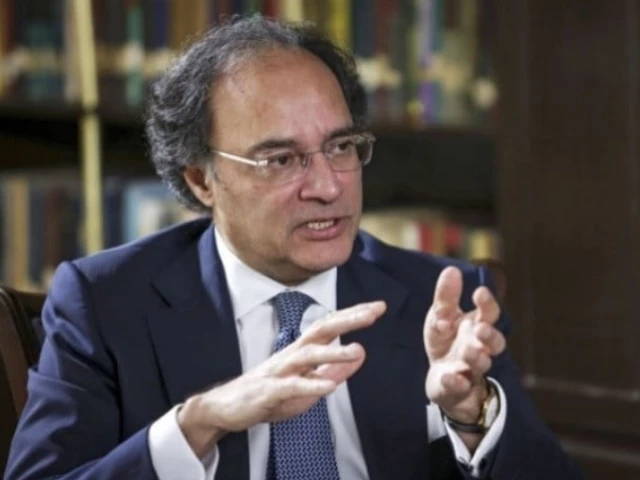
In an increasingly interconnected world, Pakistan is taking bold strides to stabilize its economy and attract international investment. Recently, Finance Minister Muhammad Aurangzeb embarked on a diplomatic mission in Washington, where he engaged with global financial institutions during the IMF-World Bank Annual Meetings. This trip holds significant promise for Pakistan’s economic future.
One of the highlights was the agreement between Pakistan and the International Finance Corporation (IFC) to expedite the financial closure of the Reko Diq project. Minister Aurangzeb praised the IFC for its pivotal role in driving private investment and welcomed the establishment of its new regional office in Islamabad. This development is expected to enhance collaboration and potentially accelerate investment momentum in Pakistan.
Throughout his series of meetings, Aurangzeb emphasized the importance of maintaining reform momentum and macroeconomic discipline. In discussions with representatives from the IMF and World Bank, he highlighted Pakistan’s climate vulnerabilities, pointing out how recent floods have severely impacted agriculture and GDP. His call for stronger investment in climate adaptation and mitigation showcases a holistic approach to economic planning.
At the Commonwealth Finance Ministers’ Meeting, Aurangzeb urged immediate actions for resilience, backing initiatives like the Infrastructure and Financial Resilience Hub. He also reiterated the need for effective climate financing tools, including the Loss and Damage Fund. These discussions are vital as they address both immediate financial needs and long-term sustainability.
Additionally, Aurangzeb met with US officials and representatives from various banks and corporations, inviting US investors to explore opportunities across sectors like oil, gas, minerals, agriculture, and IT. His proactive outreach underscores the importance of private sector growth in sustaining economic momentum. He assured business leaders that their concerns would be heard and addressed, fostering a conducive environment for investment.
As the visit unfolded, Aurangzeb also acknowledged the contributions of overseas Pakistanis. By seeking their engagement in national development, he is paving the way for communal and economic growth. The potential for bilateral cooperation with countries like China, the UK, and Saudi Arabia signals a multifaceted approach to economic recovery.
This trip wasn’t just about securing immediate financial aid but also about laying the groundwork for future collaborations that could position Pakistan as a regional hub for digital innovation and financial services.
In these challenging times, initiatives like those discussed in Washington hold promise for Pakistan’s economic revitalization. If you’re interested in exploring more about Pakistan’s economic landscape, stay connected with credible sources like Pro21st for the latest updates and insights. The future looks challenging yet promising—let’s keep the conversation going!
At Pro21st, we believe in sharing updates that matter.
Stay connected for more real conversations, fresh insights, and 21st-century perspectives.