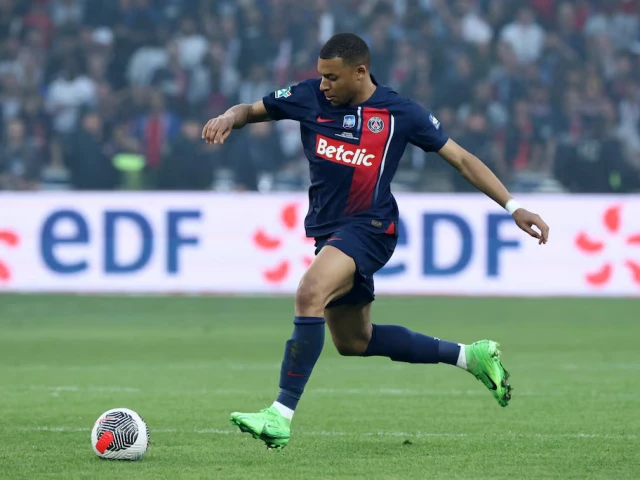

Kylian Mbappe vs PSG: A Legal Showdown
In the world of football, drama often spills off the pitch, and the recent courtroom clash between Kylian Mbappe and Paris Saint-Germain (PSG) is a prime example. This high-profile case has not only captured headlines but has also highlighted the importance of adhering to contractual obligations in professional sports.
On Tuesday, a Paris labour court ruled in favor of Mbappe, ordering PSG to cough up a whopping 60 million euros (around $70.6 million) in unpaid salary and bonuses. This decision marks a key moment in a legal saga that began when Mbappe took the club to court, claiming they owed him payments for the months just before his departure to Real Madrid.
Unpacking the Dispute
Mbappe claimed that PSG had not paid him for April, May, and June of 2024, a few months prior to his move to the Spanish giants. Following a comprehensive review, the court sided with Mbappe, finding that PSG had neglected to settle not just his salary but also an ethics bonus and a signing bonus outlined in his employment contract. Two prior decisions by the French Professional Football League (LFP) also confirmed the club’s financial obligations to the star player, emphasizing the ongoing commitment to honor contractual agreements in professional sports.
Mbappe’s lawyer, Frederique Cassereau, expressed satisfaction with the ruling, underlining the principle that every worker, including football stars, deserves fair compensation for their labor. In a statement, she noted, "This judgment confirms that commitments entered into must be honored," reinforcing that labor law applies universally, regardless of the industry.
The Court’s Findings
Interestingly, while the court ruled in favor of Mbappe regarding unpaid wages, it dismissed several of his additional claims, such as accusations of moral harassment and breach of safety duties. Furthermore, the judges determined that Mbappe’s contract was not permanent, which limited the potential scope of further compensation. This aspect of the ruling may be a pivotal takeaway for other players and clubs navigating similar waters in their own employment relationships.
During the case, PSG argued that Mbappe had acted with disloyalty by not revealing his intention not to renew his contract for nearly a year. This delay, they claimed, prevented the team from securing a transfer fee that could have matched the staggering €180 million they paid to sign him from AS Monaco in 2017. However, Mbappe’s camp articulated that this legal battle strictly revolved around unpaid remuneration and not transfer negotiations.
The Bigger Picture
This legal skirmish shines a light on the often-complex dynamics between players and clubs in professional football. It’s not merely about the glorious goals and thrilling matches; behind the scenes, the commitment to fair play extends beyond the pitch into the boardrooms and courts. It serves as a stark reminder that, like any other profession, athletes deserve respect and fair treatment in their employment.
As the dust settles from this latest chapter, it becomes increasingly apparent that the heart of any successful relationship—be it personal or professional—lies in respecting commitments and fostering open communication. The ruling may have propelled Mbappe into a stronger financial standing, but it also hints at the broader implications for player rights in football.
If you’re interested in more sports-related insights or looking to connect with like-minded individuals in the world of athletics, consider following platforms like Pro21st. It’s a great way to stay informed and engaged with the ever-evolving world of sports!