
The Rising Concerns of Khyber-Pakhtunkhwa’s Security Landscape
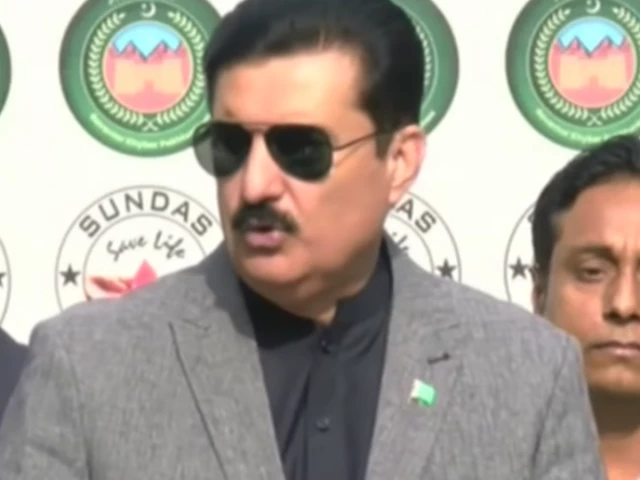
Recently, Khyber-Pakhtunkhwa Governor Faisal Karim Kundi openly addressed the pressing issues surrounding the deteriorating law and order situation in the province. At a press conference, he highlighted his concerns over the provincial government’s focus on political protests in other areas while violence continues to escalate at home. His criticism wasn’t just a call for attention; it was a rallying cry for unity against persistent terrorism.
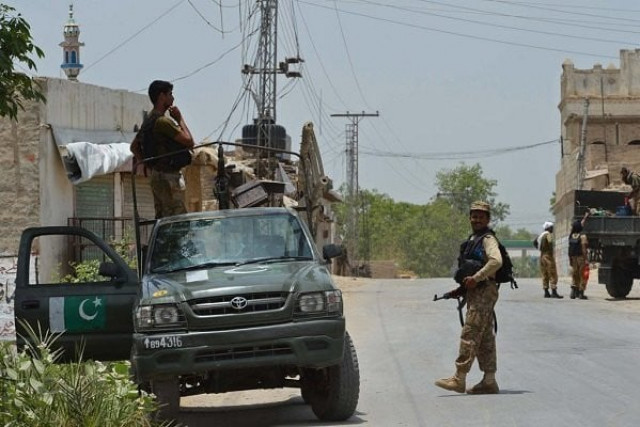
The statistics are worrying. Kundi referred to tragic incidents where police officials lost their lives to terrorist attacks in districts like Tank and Dera Ismail Khan. He underscored that daily violence against police and government workers demands our collective attention and action. For many, these aren’t just statistics—they represent the continuous threat to peace in the community.
What’s alarming is Kundi’s point regarding the military operations currently in place against terrorists. He questioned whether the provincial administration is genuinely committed to addressing these threats. The call for increased operational capacity for law enforcement shows a proactive approach; strengthening the police and Counter-Terrorism Department is paramount for regain control over the situation.
Kundi also raised significant points regarding the ongoing infiltration of advanced terror tactics, like the use of drones, which requires technical skill to execute. This brings up the broader conversation regarding where these attacks originate and how to better equip the state to face them head-on.
In terms of investment, Kundi warned that the ongoing security problems directly discourage investors, despite the province’s rich natural resources. With prospects for oil and minerals, the need for security cannot be understated—if even the police are not safe, how can we expect robust economic development?
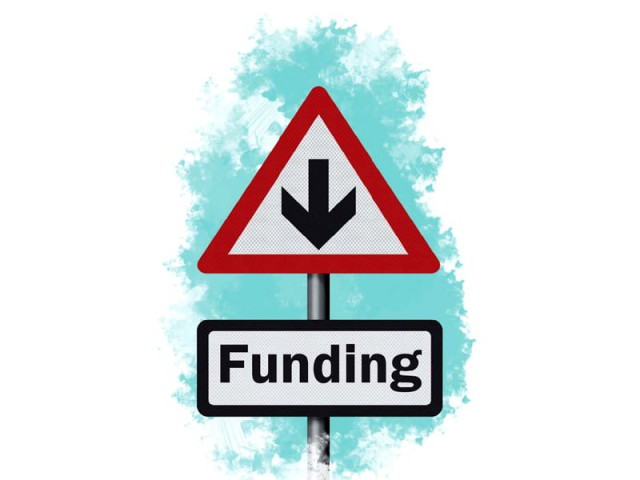
Moreover, the governor’s comments on the need for mega development projects from the federal government touch on the critical gap in infrastructure investment. Khyber-Pakhtunkhwa has not seen substantial support for two years, and as Kundi pointed out, it lags behind in crucial sectors such as health, education, and sports facilities.
Lastly, the complexities of provincial politics were addressed. Kundi expressed concerns about the indirect support being afforded to banned organizations and reiterated the importance of prioritizing peace and stability. The political turbulence has led to past injustices that should never see a repeat, as highlighted by the need for accountability stemming from the May 9 riots.
As we navigate these challenging waters, it’s essential to stay informed and engaged. The issues in Khyber-Pakhtunkhwa affect us all, and collective awareness is the first step toward change. If you want to delve deeper into these vital topics or connect with others committed to building a better future, consider exploring the resources at Pro21st. Together, we can foster meaningful dialogue and promote positive action in our communities.
At Pro21st, we believe in sharing updates that matter.
Stay connected for more real conversations, fresh insights, and 21st-century perspectives.