
Navigating Economic Challenges: Steps Towards Growth and Stability
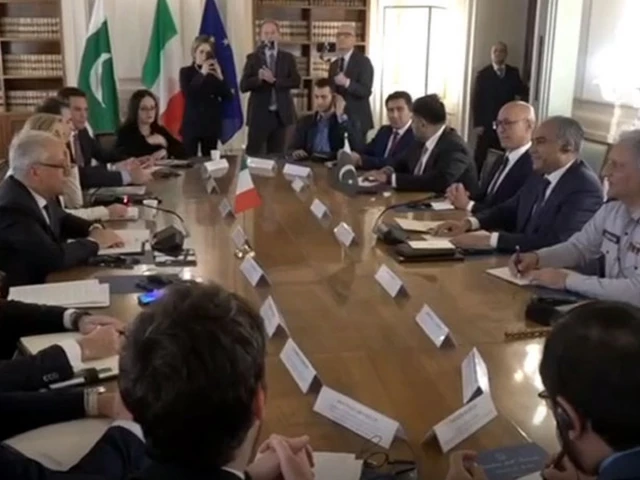
In a recent discussion among key economic ministries, the government of Pakistan is taking proactive steps to revitalize its economy. Finance Minister Muhammad Aurangzeb emphasized the need for new proposals aimed at rationalizing the budget, attracting foreign investment, and even exploring options for exiting the International Monetary Fund (IMF) program after 2027.
The urgency stems from a stark reality: Pakistan’s current economic framework struggles to deliver sustainable growth or draw meaningful foreign investments. With the IMF program set to continue until September 2027, officials are tasked with submitting realistic plans that could either be implemented soon or incorporated into the upcoming budget.
At the center of these discussions is a critical target set by Planning Minister Ahsan Iqbal — raising exports to a remarkable $63 billion by 2029. Achieving this will demand a 100% increase in exports over the next four years. This ambitious goal underscores the pressing need for comprehensive strategies that go beyond mere fiscal adjustments.
Concessions from the IMF may be tough to secure, especially given the Fund’s stringent conditions. However, recent assurances from a friendly country could provide some leverage in negotiations. The finance ministry has circulated a detailed proforma to assess the macroeconomic implications of any proposed changes, ensuring they align with fiscal realities.
Moreover, the government has recognized the necessity of reshaping its relationship with international partners. A substantial review by Pakistani and Saudi authorities indicated that enhancing complete value chains in local industries is critical for improving export competitiveness. As part of this effort, Pakistan has devised a 90-day roadmap focused on eight priority sectors, including agriculture, IT, and manufacturing.
Yet there are hurdles to overcome. Current practices, such as inflated revenue figures due to delayed tax refunds, have created a tangled web that needs unraveling. Addressing these concerns is vital for restoring investor confidence and ensuring that industries can thrive.
As these discussions unfold, it’s essential to remain optimistic yet pragmatic. Engaging in meaningful dialogues about economic policies can lead to constructive solutions. To explore more about developing robust economic frameworks and gaining insights into effective investment strategies, connect with Pro21st. Your partnership in these economic discussions can pave the way for a brighter future.