
Pakistan’s Ongoing Efforts for the Release of Hostages Held in Somalia
In recent weeks, the plight of 10 Pakistani citizens taken hostage in Somalia has become a matter of grave concern. On April 21, the oil tanker Honour 25, sailing under the Somali flag, was hijacked by pirates while en route from Oman to Somalia. Among the 17 crew members were these 10 Pakistani nationals who now find themselves in a dire situation.
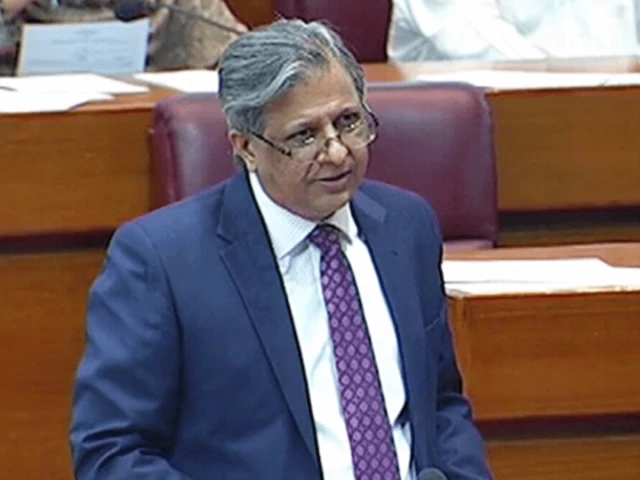
The anxiety felt by their families is palpable. Many have turned to the government for updates and support, seeking assurance that their loved ones are being prioritized. Law Minister Azam Nazeer Tarar addressed these concerns in the National Assembly, reaffirming that the government is actively pursuing diplomatic avenues for a swift resolution. It’s crucial to understand that these hostages are not in the custody of the Somali government but rather a separate group, complicating efforts for their release.
Reports from the hostages themselves reveal alarming conditions. They’ve communicated through video and audio messages, detailing how basic necessities like food and clean drinking water have dwindled. Currently surviving on just one serving of boiled rice daily, they’re forced to drink contaminated water, leading to severe health issues.
In a recent exchange, Deputy Prime Minister and Foreign Minister Ishaq Dar reached out to his Somali counterpart, Abdisalam Abdi Ali, expressing Pakistan’s deep concerns regarding the hostages’ well-being. Dar emphasized the urgency for their release and has received assurances from Somalia about their ongoing efforts to resolve the situation. The Pakistani Foreign Office is not only actively engaged but has also ensured that relevant authorities in Somalia are contacted regularly.
Tarar stressed the importance of keeping Parliament and the public informed as developments unfold. "These are our citizens, and their safety is of utmost concern," he noted, highlighting the commitment of the Pakistani government to bring them home safely.
As we follow this unfolding story, it’s important to support the families of those affected and stay informed about the dynamics of this crisis. It exemplifies the human side of international relations where lives are at stake.
To keep the conversation going, consider connecting with organizations like Pro21st, which work toward facilitating better understanding and cooperation across borders. Your voice can contribute to ensuring that such matters receive the attention they deserve.