
Pakistan’s Economic Shift: A Bright Future on the Horizon
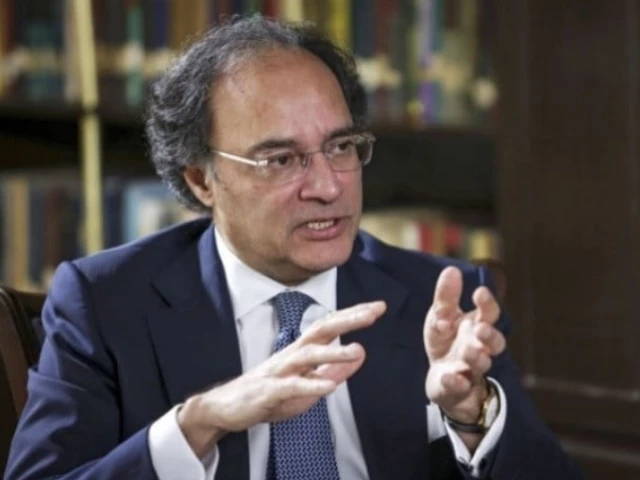
Pakistan recently made headlines with a crucial staff-level agreement with the International Monetary Fund (IMF) to review its second loan, setting the stage for further financial support. Finance Minister Muhammad Aurangzeb revealed this exciting news at the ninth Future Summit in Karachi, emphasizing a pivotal shift towards an investment-driven economic model, primarily fueled by the private sector.
What’s particularly remarkable is the renewed confidence among investors, a sentiment Aurangzeb passionately conveyed. Major announcements, such as Google’s decision to open an office in Pakistan and use the country as a potential export hub, signal growing optimism about the nation’s economic landscape. Moreover, the establishment of a blockchain center at the Lahore University of Management Sciences (LUMS) showcases Pakistan’s commitment to embracing emerging technologies.
Moreover, the minister highlighted significant strides in fiscal reforms over the past 18 months. Utilizing artificial intelligence to expand the tax base, Pakistan has already digitized the sugar industry and is on track to follow suit with the cigarette sector. Impressively, about 900,000 new tax filers have been registered, reflecting a collective effort to modernize and streamline the fiscal framework.
Further adding to this positive narrative, Federal Minister Musadik Malik stressed the importance of equitable opportunities and healthy competition within the economy. Addressing the same summit, he highlighted that the aspirations of Pakistani youth extend beyond merely rising GDP figures. Instead, they seek good jobs, accessible healthcare, and improved living conditions. These are fundamental needs that resonate deeply with the everyday Pakistani.
Malik didn’t shy away from highlighting pressing environmental challenges, particularly urban issues like smog in Lahore and flooding in Karachi, which have a real impact on life expectancy. His call for urgent reforms in healthcare, education, and local governance underscores a desire for tangible improvements in citizens’ daily lives.
Both ministers emphasized that competition is vital for innovation. Malik pointed out that protectionist policies could stifle growth, discouraging foreign investment. As he aptly put it, if the elite in society monopolizes power, broader business success becomes impossible. Their shared vision for Pakistan includes a future anchored in competitiveness, youth empowerment, and utilizing external funding effectively to build a resilient, inclusive economy.
With a clear focus on innovation and emerging sectors, the ongoing reforms are not just about numbers; they represent a hopeful transition towards a sustainable and thriving economic model. As these developments unfold, staying connected with platforms like Pro21st can provide valuable insights into how these changes may impact various sectors, including technology, business, and beyond.
In the end, one can’t help but feel optimistic about Pakistan’s trajectory. While challenges lie ahead, the steps being taken today could lay the groundwork for a brighter, more prosperous tomorrow.
At Pro21st, we believe in sharing updates that matter.
Stay connected for more real conversations, fresh insights, and 21st-century perspectives.