
Uncovering the Mystery: HIV Cases in Pathan Colony
Recently, news broke of a concerning situation involving HIV infections among children linked to Kulsum Bai Valika Hospital in Karachi’s Pathan Colony. As a new health reporter, I was eager to dig deeper into what was happening in the community. My journey took me to the bustling streets of Karachi, where I interacted with local families and health officials for insights.
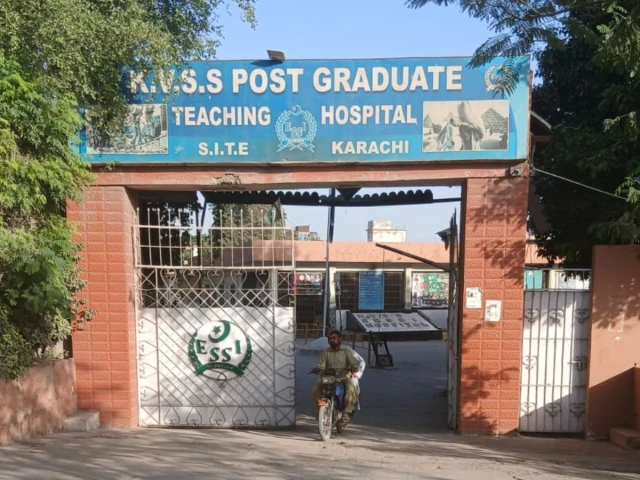
Upon visiting Valika Hospital, a government facility nearby, I found the atmosphere unusually quiet. This was surprising, given the hospital’s role in providing free care to registered factory workers and their families. I met Medical Superintendent Mumtaz Shaikh, and though he seemed evasive, he did confirm that two children had tested positive for HIV. Alarmingly, he also mentioned a total of six to eight positive cases had been identified—details that stirred a lot of concern among local residents.
As I spoke to community leaders, including Irshad Khan, a local elected representative, it became clear that misinformation was rampant. Parents were nervous and speculating about how the outbreak occurred. Many believed unsafe practices at the hospital led to these infections, with some families reporting that hospital staff reused syringes.
Compounding the issue was the general fear around HIV. Many families were reluctant to get tested or speak openly about their concerns, worried about stigma and ostracization. During my time in the area, I learned that while the local health committee was proactive in gathering community support and educating residents about HIV transmission, confusion still reigned.
I also unearthed some sobering facts about the financial burden families faced. For instance, one mother had to bear a travel expense of Rs 12,000 to seek treatment for her child. Such realities highlight the pressing need for accessible healthcare and effective communication from health officials.
In speaking with experts, it became evident that misinformation and a lack of resources significantly impacted the community’s response to the HIV cases. While the Sindh Healthcare Commission and other authorities are working to provide treatment, many families were still uncertain about their children’s health statuses, leading to continued anxiety and confusion.
The situation emphasizes how essential it is to improve healthcare access and educate communities about HIV. Connections between healthcare institutions and residents must be strengthened to avoid a similar crisis in the future.
For more insights on health reporting and community health issues, feel free to connect with us at Pro21st! We’re keen on making a difference and supporting initiatives that aim to enhance public health awareness.
At Pro21st, we believe in sharing updates that matter.
Stay connected for more real conversations, fresh insights, and 21st-century perspectives.