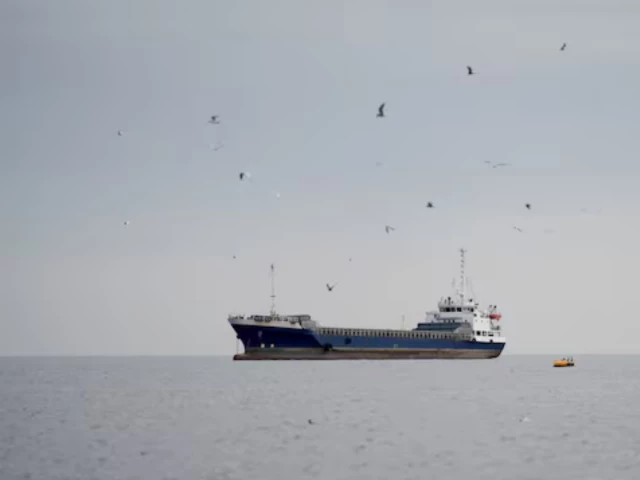

Navigating the Rising Tensions in the Strait of Hormuz: What’s at Stake?
The Strait of Hormuz is a narrow waterway that plays a crucial role in global energy supply, with nearly one-fifth of the world’s oil passing through it. Recently, tensions in this critical region have escalated, raising concerns both for countries dependent on oil imports and for global maritime security.
Iran’s Supreme Leader, Mojtaba Khamenei, has issued stern warnings that the Iranian navy is prepared to inflict “bitter defeats” on perceived enemies, as reports surface of Iran tightening its control over the strait. The Iranian Revolutionary Guard Corps (IRGC) announced that the strait could be closed to mariners in response to what they deem violations of a ceasefire agreement by the U.S.
On the other side of the spectrum, U.S. President Donald Trump has made it clear that Iran cannot use the closure of this waterway as leverage to blackmail the U.S. In a recent Situation Room meeting, he reiterated the U.S. stance on maintaining the naval blockade, despite ongoing negotiations that seek to address tensions.
The implications of these developments are significant. With oil prices likely to fluctuate based on geopolitical stability, any disruption in the Strait of Hormuz could lead to a spike in global oil prices, impacting economies far beyond the Middle East. Countries reliant on oil imports could find themselves grappling with rising costs, which might affect consumer prices and overall economic stability.
While Iran considers new peace proposals from the U.S., the groundwork for diplomatic resolution remains shaky. Trump mentioned that negotiations are ongoing but stressed the need for a firm stance against Iran’s alleged military ambitions. The interplay of military posturing from both sides complicates the landscape, making it challenging to forecast the future.
Ultimately, achieving peace requires open channels of communication, mutual respect, and a commitment to resolving conflicts without further hostility. Depending on diplomatic dialogue’s outcomes, there’s hope for a resolution that ensures the stability of both regional and global markets.
For those interested in keeping up with the dynamic changes in global politics and their impact on our daily lives, connecting with communities like Pro21st can offer insights and discussions on pressing global issues. Being informed is the first step toward understanding the complexities that shape our world today.