
Ireland’s Complex Athletic Landscape: Sport, Politics, and Change
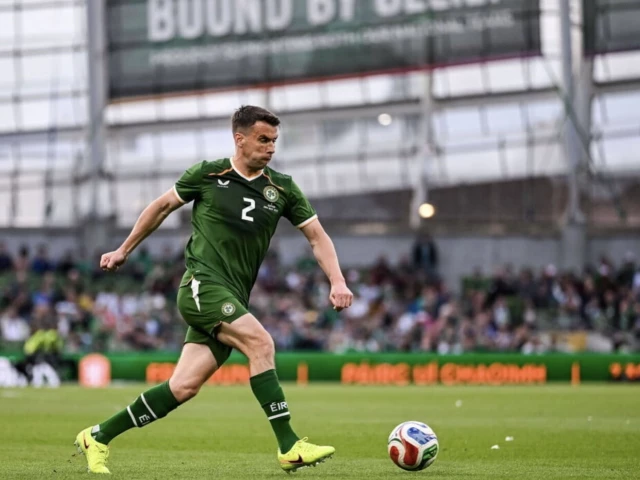
In recent weeks, there’s been a spotlight on Irish football, but it’s about more than just the game. Ireland’s upcoming matches against Israel are drawing attention not merely for the sport but due to the significant backdrop of politics and public sentiment surrounding the Palestinian cause.
When Ireland takes on Israel in Hungary for the Nations League on Sunday—followed by a "home" fixture in Serbia in October—there’s been a palpable absence of Irish supporters in the stadium. The Football Association of Ireland (FAI) has even opted not to allocate tickets for Irish fans, reflecting a broader movement to boycott as a response to the ongoing conflict in Gaza.
This landscape isn’t just unique; it’s evolving. National broadcaster RTE recently faced a tough decision: they announced they would boycott the Eurovision Song Contest due to Israel’s participation but still had to air the football match due to contractual obligations. It’s remarkable that viewers will see the game without the usual commentary or punditry, described by experts like Neil O’Boyle as a “moral compromise.”
What’s driving this backlash? Ireland has a history deeply intertwined with feelings of colonization and oppression, which shapes the nation’s understanding of the Palestinian situation. A recent study found that over 53% of Irish adults sympathized more with Palestinians, a striking figure compared to other western European nations.
Beyond public sentiment, Irish sports figures are weighing in, with over 160 athletes signing a letter urging a boycott of these fixtures. Even the team’s manager, Heimir Hallgrimsson, expressed discomfort about the matches, suggesting the players feel the heavy weight of the associated moral implications.
The response to these actions is mixed. Former Justice Minister Alan Shatter argues against the boycott, insisting that the situation has been manipulated by activists and calling for games to be held in Dublin under police protection. On the other hand, Amnesty International advocates for UEFA to reconsider Israel’s participation in international football.
As Ireland navigates this stormy seas of sport and politics, the outrage is undeniable, with many considering the moral dimensions of participating in these matches. The conflict has shifted from the pitch to conscience, leaving fans wondering not just who will win on the field but what the sporting community stands for off it.
For those wanting to stay informed and engaged with such evolving narratives, platforms like Pro21st offer insight and storytelling that connect sports with broader cultural conversations. In these times of change, understanding the intersections of sport and societal values is crucial.