
JD Vance Faces a Major Test in Islamabad: Can He Secure Peace in the Middle East?
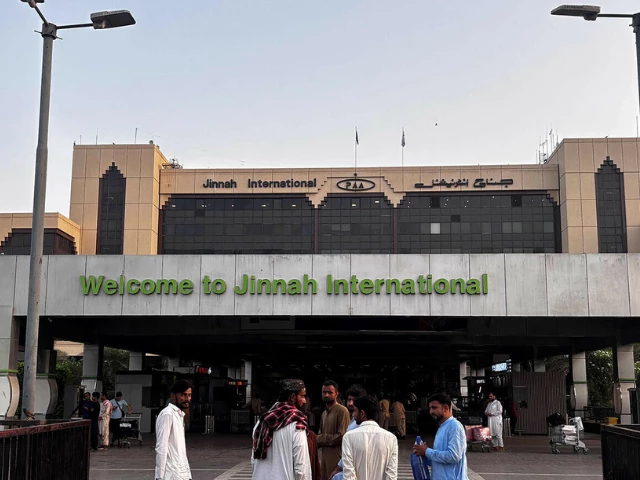
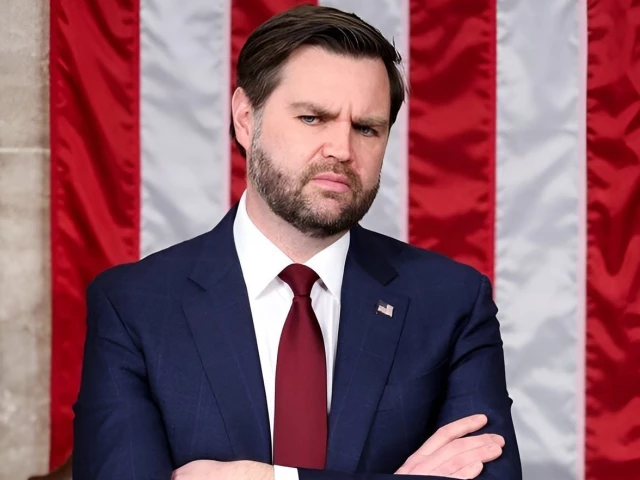
In a world where peace often seems like an elusive dream, US Vice President JD Vance finds himself in a pivotal role. Fresh off an official trip to Hungary, Vance has set his sights on Islamabad with one mission in mind: transforming a shaky ceasefire with Iran into a lasting peace accord. This negotiation is significant, not just for international relations, but also for Vance’s political future as a leading contender for the 2028 presidential race.
Vance, at 41, has been somewhat of a dark horse in the political arena, especially with his anti-interventionist stance during the ongoing conflict in the Middle East. Before the war was formally declared by President Trump, Vance argued against military action, citing it could spiral into regional chaos. Fast forward to now, he is taking a front-row seat in high-stakes negotiations—an unusual but crucial pivot in his career.
As he embarks on these talks, experts are noting it’s a high-risk, high-reward situation. “I cannot think of a case where the vice president ran formal negotiations like this,” says Aaron Wolf Mannes, an expert on the vice presidency’s role in foreign policy, underscoring the weight of Vance’s responsibilities in Islamabad. The stakes are incredibly high, not just for global peace but for Vance’s political aspirations.
Interestingly, Vance’s unique position may make him a more palatable negotiator for the Iranians, given his previously expressed doubts about US interventionism. He’s aiming to leverage this perspective to create dialogue—though navigating these talks won’t be easy. In the background, Trump’s administration is optimistic, with Vance described as having played a “very significant role” during the negotiations thus far.
His diplomatic team includes special envoy Steve Witkoff and Jared Kushner, making it evident that this isn’t just a solo mission; collaboration is at the heart of these discussions. The hope is that by uniting their efforts, they can finalize a ceasefire that not only holds but could pave the way for peace in the region.
But let’s keep it real: if the talks don’t yield positive results, questions about Vance’s competency will inevitably arise, especially with Marco Rubio lurking as a potential rival. This adds another layer of pressure for Vance—his legacy as vice president hangs in the balance.
With so much on the line, it’s essential to watch how this all unfolds. Will Vance manage to strike a deal that could help thousands while also bolstering his presidential aspirations? The world’s eyes are on him, and so are the future voters.
If you’re interested in exploring more about international relations and the complexities of modern diplomacy, check out Pro21st for insightful discussions and updates. Staying informed has never been more crucial!