
The Significance of Justice Tariq Mehmood Jahangiri’s Removal: A Judicial Turmoil
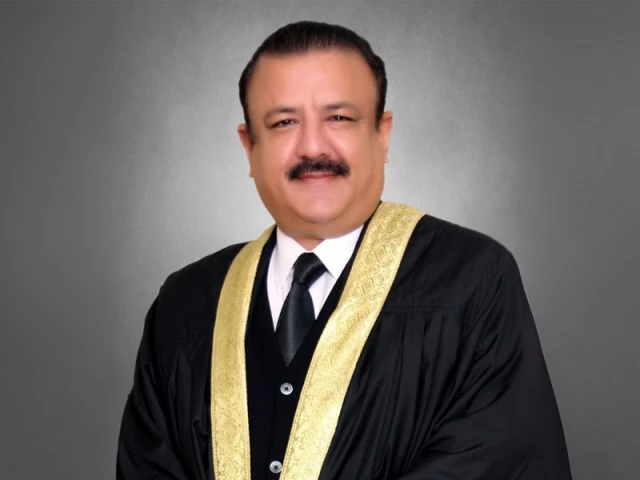
In a landmark decision that sent shockwaves through the legal community, the Islamabad High Court (IHC) declared Justice Tariq Mehmood Jahangiri’s LLB degree invalid, leading to his removal from the bench. This unprecedented move raises important questions about judicial integrity and the qualifications required to serve on the bench.
On Thursday, Chief Justice Sardar Muhammad Sarfraz Dogar led a division bench that issued a short order stating that at the time of Jahangiri’s appointment, he did not hold a valid LLB degree—a crucial requirement for anyone aspiring to be a judge in Pakistan. The ruling came in response to a quo warranto petition filed by advocate Mian Daud, prompting the court to hold that Jahangiri’s tenure was illegal and unconstitutional.
Justice Jahangiri’s removal has sparked significant debate among legal experts and advocates. Critics, like Barrister Salahuddin Ahmed, argue that the decision is a thin veneer over deeper issues at play, hinting at external pressures and political motives behind judicial actions. Others see this as a dangerous precedent, suggesting that it could lead to the systematic targeting of judges who resist governmental overreach.
The ruling also highlights a growing concern regarding the independence of the judiciary in Pakistan. As outlined by former additional attorney general Tariq Mahmood Khokhar, this situation reflects not just an individual’s qualifications but a broader struggle for judicial autonomy. The legal community is left grappling with the implications of this decision—will it alter the landscape of judicial appointments in a way that risks compromising the integrity of the courts?
Some experts suggest that as the judicial system becomes more susceptible to external influences, it may undermine public confidence in the rule of law. Justice Jahangiri himself had previously raised concerns about governmental pressures, and his removal raises the alarm about the state of independence within the judiciary. As discussed by legal commentator Barrister Asad Rahim Khan, this situation may lead to a "judicial purge," whereby judges who embody independence may find themselves at risk.
The complexities surrounding this decision extend far beyond Justice Jahangiri’s qualifications. It touches on the very essence of judicial independence and the delicate balance between the judiciary and other branches of government. As this story continues to unfold, it’s crucial for legal professionals and the public to remain vigilant about the developments that could shape Pakistan’s legal landscape for years to come.
If you’re interested in following the evolution of such pressing legal matters, consider connecting with Pro21st for updates and insights that matter. Your engagement can contribute to a more informed and just society.
At Pro21st, we believe in sharing updates that matter.
Stay connected for more real conversations, fresh insights, and 21st-century perspectives.